Stop Stressing About Automatic Payment Authorization Forms!
By Ari Schlacht ·
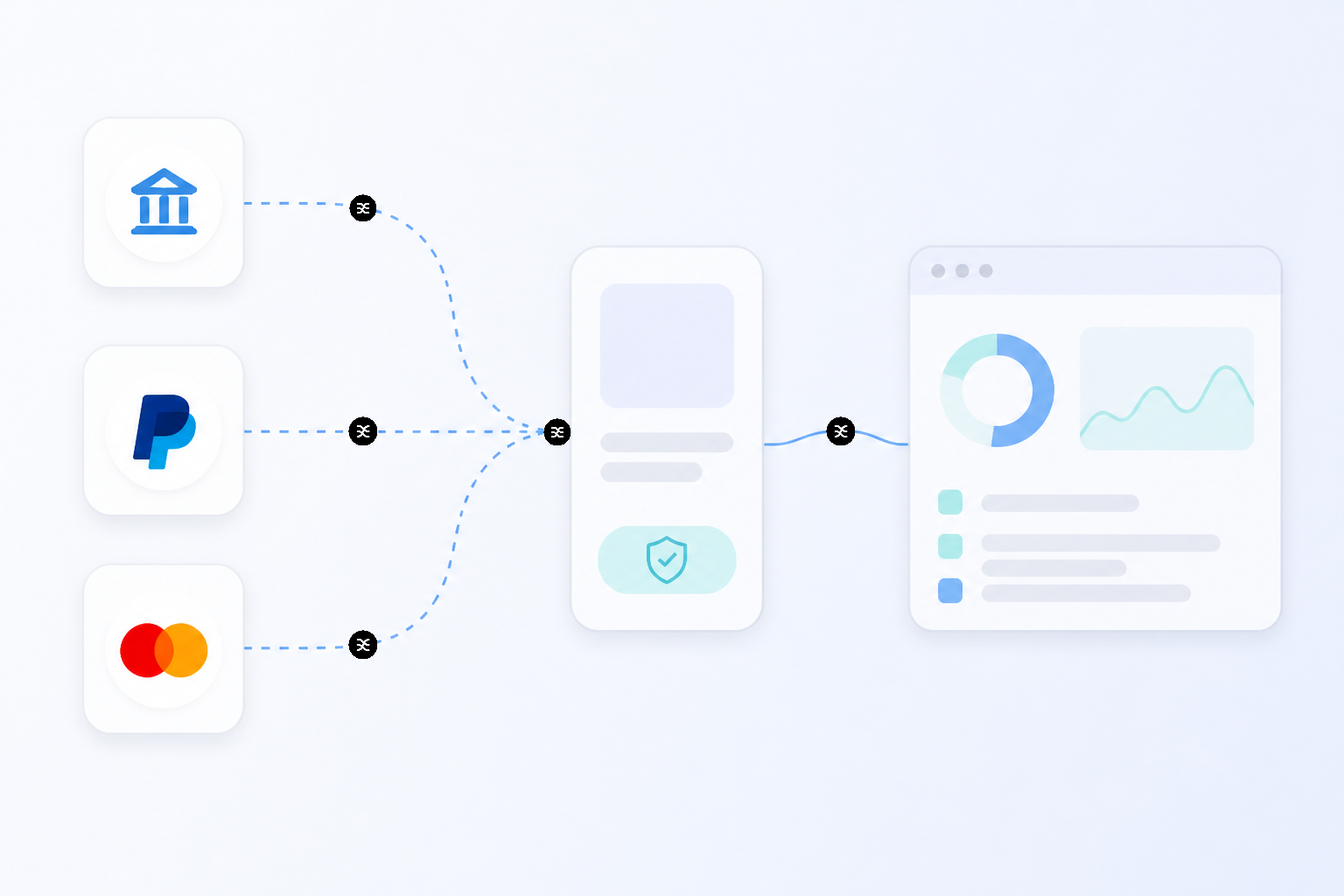
The payment landscape is changing faster than ever, and it involves new ways to tap or pay. Recent research reveals that 74% of consumers in the Asia Pacific region already use AI-powered tools as part of their shopping journey, which fundamentally alters the speed and complexity of every transaction.
For a small business owner or freelancer, this shift brings both opportunity and pressure. A failed payment isn't just a technical glitch, it's a frustrated customer and potentially lost revenue.
At the center of this evolution is a document you're likely familiar with: the automatic payment authorization form. For years, this was a simple, static paper or PDF that gave you permission to charge a customer's account. Today, it's becoming a crucial part of a much more dynamic and intelligent system.
Understanding these changes can help you create a smoother payment experience, improve your cash flow, and spend less time chasing down failed transactions. An updated approach to the automatic payment authorization form is a necessity.
Changes in the World of Payments
The way money moves is undergoing a significant upgrade. While the familiar rhythms of credit and debit card payments remain, an entire ecosystem of faster, more direct payment methods is rapidly gaining ground.
S. Faster Payments Council, businesses and consumers are quickly adopting instant payments for a variety of needs. Use cases like B2B invoice payments, merchant settlements, and payroll funding are all expected to see widespread adoption within the next two years.
This trend means money moves faster, clearing in seconds or minutes instead of days. While this speed is a huge advantage, it also requires payment systems to be more robust and reliable.
| Payment Use Case | Average Timing for Activation |
|---|---|
| Earned Wage Access | Within 1 year |
| Wallet Funding/Defunding | Within 1 year |
| B2B Merchant Settlement | Within 1 year |
| B2B Invoices & Supplier Payments | Within 2 years |
| Payroll Funding | Within 2 years |
At the same time, traditional payment methods aren't disappearing. A 2025 study from the Federal Reserve confirmed that despite the digital surge, cash use has held steady for the past five years. In fact, cash was the third-most-used payment instrument after credit and debit cards.
This hybrid reality, where cutting-edge digital payments coexist with traditional methods, adds another layer of complexity for anyone managing business finances. A modern automatic payment authorization form needs to be flexible enough to handle this diverse environment.
Importance of a Modern Automatic Payment Authorization Form
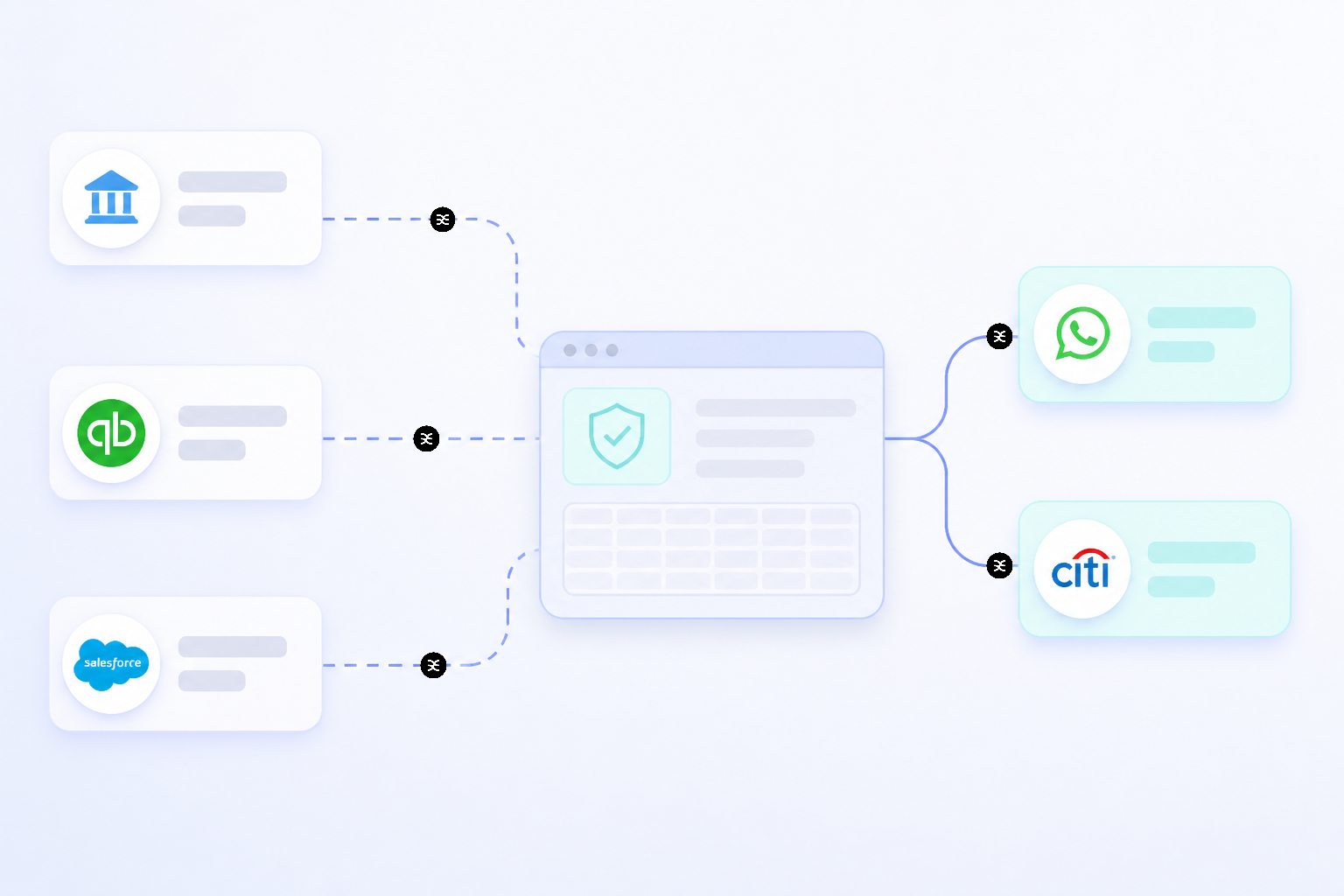 Rethinking your automatic payment authorization form involves protecting your revenue, improving your customer relationships, and preparing your business against upcoming changes in the financial system. When you rely on recurring revenue, failed payments are a direct hit to your bottom line.
The Real Cost of a Declined Payment
Every business owner has felt the frustration of a "payment declined" notification. It kicks off a time-consuming and often awkward process of contacting a customer, troubleshooting the issue, and re-running the transaction. As one analysis on improving payment authorization rates points out, these failures result in lost sales and create a negative customer experience.
The customer, who was ready to pay, may abandon the purchase or churn from a subscription service not because they wanted to, but because of a technical snag. A well-designed automatic payment authorization form is your first line of defense, ensuring you collect accurate information and obtain clear consent from the start.
Preparing for a Smarter, More Secure System
The payments industry is actively working to reduce these frustrating declines. A major push involves enhancing data sharing and refining authentication through standards like EMV 3DS. According to a snapshot from the US Payments Forum, payment networks are working to integrate more data directly into the authorization process.
This allows your customer's bank to make a smarter, real-time decision based on rich information, rather than relying on a separate, clunky authentication step. Your automatic payment authorization form plays a role here by ensuring the initial data you collect is clean and complete, feeding this smarter system with the right information.
Furthermore, regulatory bodies are updating the rules of the road. , has approved several rules changes that will become effective in 2026.
These updates often focus on improving security, standardizing data, and clarifying the authorization process. By adopting a modern automatic payment authorization form now, you put yourself in a better position to comply with these evolving standards without scrambling at the last minute.
How Can I Improve My Payment Authorization Process?
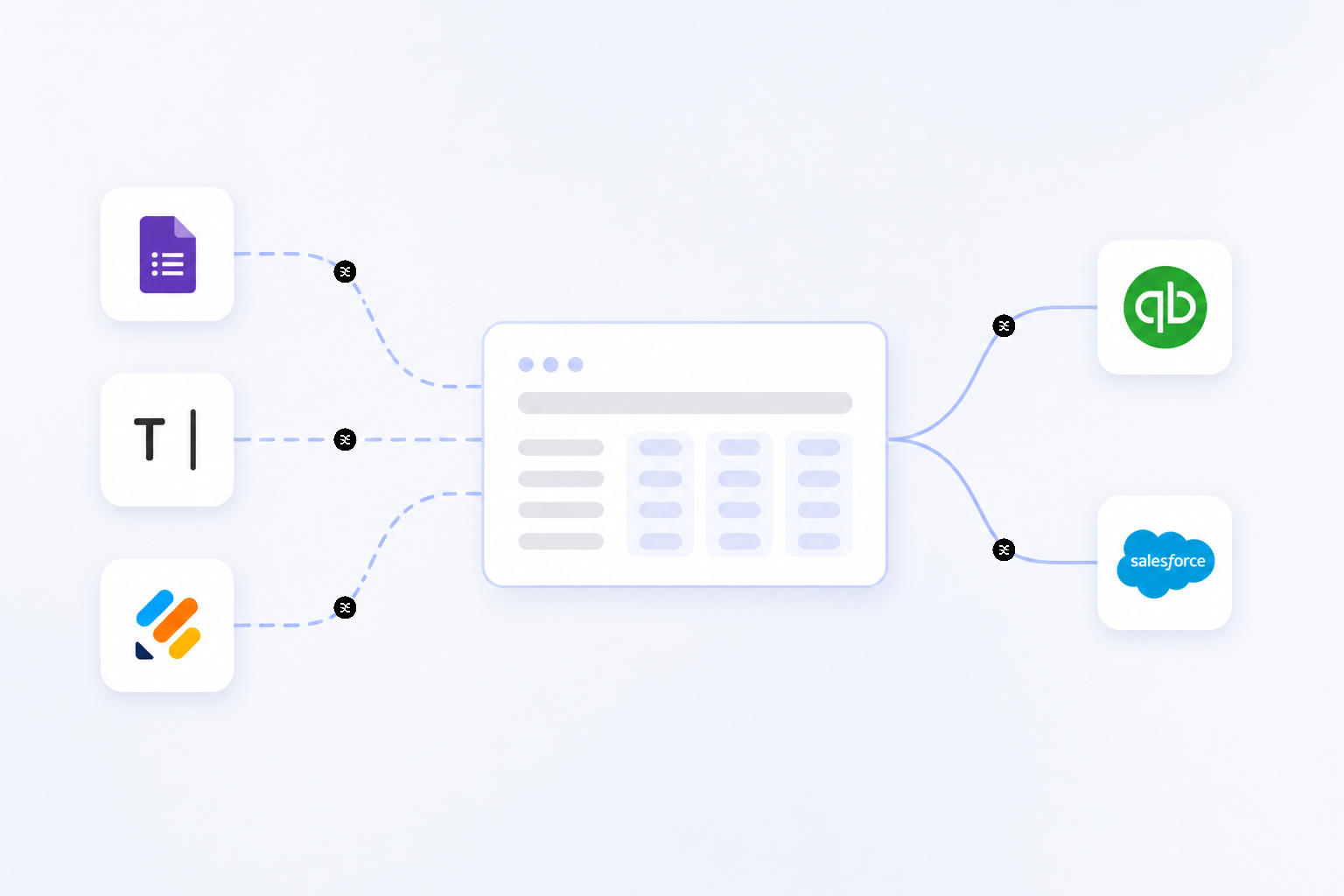 Improving your authorization process doesn't have to be a massive overhaul. It can start with the tools you use to collect information and extend to the way you manage the payments coming into your business. The goal is to reduce friction for your customers while increasing the likelihood of a successful transaction.
You can start by looking at the form itself. Many services now offer modernized templates that go beyond the basic fields.
For example, some form-building tools are incorporating AI to help you generate a customized automatic payment authorization form based on your specific business needs. These templates often include clearer language, mobile-friendly design, and validation checks to prevent common input errors, like a mistyped account number.
A thoughtful automatic payment authorization form is the first step in a larger strategy to streamline accounts payable process workstreams. For many freelancers and small businesses, the challenge isn't just getting paid, it's also managing their own bills and supplier payments. Adopting automation here can free up significant time and mental energy.
When you know your own recurring payments are handled, you have a clearer picture of your true cash flow. This clarity allows you to better manage variable income and make more confident financial decisions. The principle is the same whether you are the payer or the payee: clear authorization and reliable automation simplify everything.
What Does the Future of Automated Payments Look Like?
The trajectory is clear, payments are becoming more intelligent, integrated, and instant. The simple act of authorizing a payment is evolving into a continuous, data-rich conversation between merchants, customers, and financial institutions. AI is at the heart of this transformation, helping to approve more valid transactions securely while flagging suspicious activity with greater accuracy.
This intelligence extends beyond the moment of authorization. As businesses collect payments from multiple sources, Stripe, PayPal, direct bank transfers, paper checks, the complexity of managing that money grows. The same automation that simplifies billing can also simplify your own financial management.
For a business owner with multiple projects or a freelancer juggling several clients, having money automatically sorted upon arrival is a powerful tool.
This is where visual automation tools can help. For instance, some platforms allow you to create rules that automatically route funds between your accounts. A common rule might be to have a tool like Sequence move 25% of every incoming client payment from your primary checking account into a separate account or "Pod" earmarked for quarterly taxes.
This makes it easier to automate your bill payments and other financial obligations without constant manual transfers. This approach transforms a reactive process of paying bills into a proactive system for managing cash flow, all triggered by the initial payment.
Moving Beyond the Form to Smart Money Flow
The automatic payment authorization form is no longer just a piece of administrative paperwork. It's the gateway to a more efficient and reliable financial workflow for your business. By embracing modern tools like AI-driven templates and understanding the broader shifts toward instant payments and intelligent authorization, you can significantly reduce the friction in getting paid.
This isn't just about adopting new technology. It's about recognizing that a smoother payment process for your customers translates directly into a more stable and predictable cash flow for you. As money moves faster and comes from more sources, the real opportunity lies in automating what happens after the payment hits your account.
By setting up simple, rules-based systems to manage your income, you can move from constantly monitoring your bank balance to confidently knowing your financial commitments are covered. The evolution of the automatic payment authorization form is a signal of a larger change, giving you the tools to build a financial system that works for you, not against you.