How to Automate Bill Payments and Reclaim Your Time
By Ari Schlacht ·
When you are a business owner or freelancer, you know the feeling. You're trying to focus on your actual work, but the administrative task of paying bills keeps pulling you away. It is not just writing the check or clicking "pay" online, it is the whole ritual: logging into different portals, checking balances, confirming amounts, and keeping track of due dates.
This manual process is a significant drain on your most valuable resource: your time.
For finance professionals, the numbers are stark. A recent study found that those who manage invoices by hand spend an average of 10 minutes per invoice, compared to just two minutes for those using automated systems. That eight-minute difference, multiplied across dozens or hundreds of invoices, represents days of lost productivity every year.
The question is not if you should figure out how to automate bill payments, but how you can implement a system that works for your unique financial situation. It is about moving from a reactive, bill-by-bill process to a proactive, automated cash flow system.
What Are the Real Costs of Manual Processing?
The time spent on manual data entry is the most obvious cost, but the financial drag goes much deeper. Late fees from a missed due date, the risk of duplicate payments, and the simple cognitive load of remembering everything are all part of the hidden tax on manual financial management. For businesses, this also means valuable team members are caught up in administrative work instead of focusing on growth, strategy, or customer service.
Thinking about how to automate bill payments is the first step toward mitigating these risks. Automation creates a reliable, auditable trail for every transaction, significantly reducing the chances of human error and even lowering fraud risks. When payments are scheduled and processed systematically, cash flow becomes more predictable.
This allows for better financial planning and analysis, as you have real-time data on your outgoing expenses instead of a fuzzy estimate based on a pile of pending invoices.
Beyond Time Savings: The Hidden Gains of Automation
The benefits of bill payment automation extend far beyond clerical efficiency. Building a system that pays vendors and contractors on time, every time, strengthens those relationships. Consistent, predictable payments make you a preferred partner to work with, which can lead to better terms and more reliable service down the road.
Internally, the shift is just as powerful. When you know your recurring obligations are handled, you can dedicate your mental energy to more complex financial decisions.
Improved Forecasting: With automated debits, you can more accurately predict your monthly cash needs.
Reduced Stress: Eliminating the nagging worry about missed due-dates frees up mental bandwidth for strategic thinking.
Scalability: As your business grows or your income streams multiply, an automated system scales with you without requiring a proportional increase in administrative time.
The table below starkly contrasts the two approaches, showing why so many are learning how to automate bill payments.
| Feature | Manual Bill Processing | Automated Bill Processing |
|---|---|---|
| Time per Invoice | 10 minutes | 2 minutes |
| Error Rate | Higher (typos, missed dates) | Minimal (system-based) |
| Payment Timeliness | Dependent on manual checks | Consistently on-time |
| Financial Visibility | Delayed and fragmented | Real-time and centralized |
| Fraud Risk | Higher | Lower, with better tracking |
How Is Technology Changing Bill Payment Automation?
 Early bill payment automation was fairly simple: you could schedule a recurring transfer from your bank account. While useful, this was just the first step.
Today's technology, boosted by artificial intelligence (AI), is completely changing what's possible. Convenience has become the primary driver of innovation, as consumers and businesses alike grow accustomed to frictionless transactions.
Modern automation now covers the entire financial workflow, from the moment an invoice is received to the final reconciliation. New solutions use AI for end-to-end efficiency, a move pioneered by platforms like Bill.com to streamline processes for businesses.
This includes automatically scanning invoices, extracting key data like amounts and due dates, and even routing them for approval without human intervention. The system learns your patterns, making the process smarter over time.
The Rise of Integrated Platforms and Digital Identity
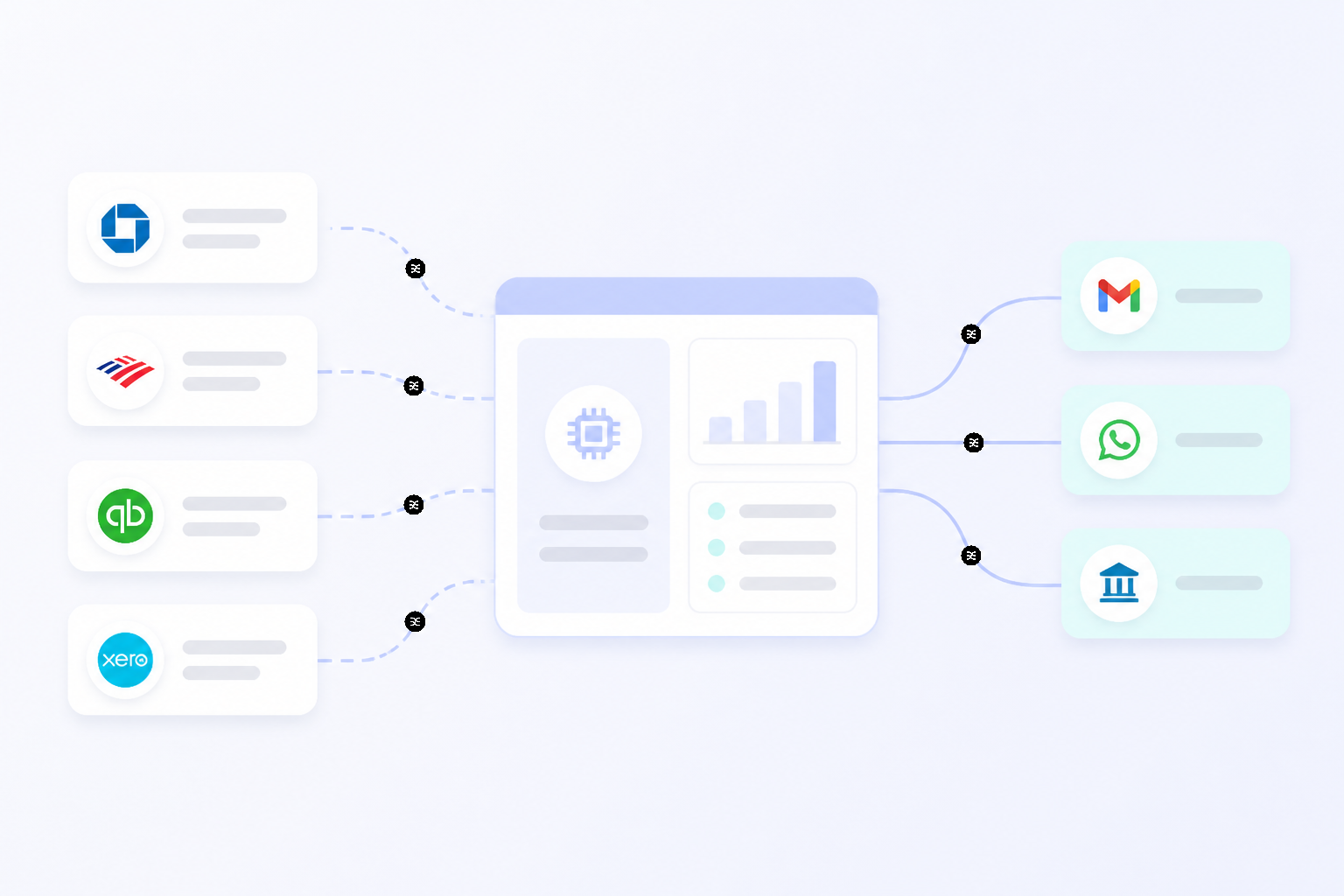
The fragmented experience of logging into multiple websites to pay bills is quickly becoming a thing of the past. The trend is toward integrated accounts payable (AP) and accounts receivable (AR) platforms that provide a single dashboard for all your financial inflows and outflows. These systems offer a real-time view of your cash position, making your financial operations more transparent and manageable.
Emerging technologies are set to push this convenience even further:
Digital Identity: Instead of juggling dozens of usernames and passwords, you can use a single, secure digital identity to access biller sites and authorize payments. This reduces friction and enhances security.
Internet of Things (IoT): Connected devices are beginning to handle their own transactions.
Imagine your business equipment automatically ordering and paying for its own replacement parts or your smart printer paying for ink refills when it runs low.
- Voice-Activated Payments: As smart speakers become more common in homes and offices, voice commands will become a standard way to approve and initiate payments securely.
This evolution is fundamentally changing the conversation around how to automate bill payments, moving from simple scheduling to intelligent cash flow management.
Why Is Automating Bill Payments Becoming Expected?
 The push toward automation is not just about business efficiency, it is also driven by overwhelming consumer demand. When given the choice, people are increasingly opting for automated payment methods.
In transactions where both a one-time payment and an automatic option were offered, a significant majority of consumers chose to set up AutoPay or recurring payments. "
This preference is even more pronounced among younger generations and higher earners. According to research from MX, 36% of all consumers set up automatic payments with each provider.
That figure jumps to 48% for households earning over $100,000 annually. The generational divide is also clear: 42% of Gen Z and 41% of Millennials automate their payments with each provider, compared to just 29% of Gen X and Baby Boomers.
If you run a business, this data sends a clear signal. Your younger customers and employees not only appreciate but expect automated, digital-first options. Offering and embracing this technology is becoming table stakes for staying competitive.
For individuals and freelancers, this trend highlights a new standard for personal financial management. Learning how to automate bill payments effectively is a key skill for a modern financial life. It requires moving beyond your bank's basic bill pay and creating a more sophisticated system.
This often involves setting up rules to manage money as it comes in, automatically routing funds to different accounts for taxes, savings, investments, and expenses. A tool like Sequence, for example, helps users build a visual map of their finances and create IF/THEN rules to automatically transfer money between accounts. This approach helps you execute a complete cash management strategy, ensuring funds are in the right place before a bill is ever due.
Learning how to automate bill payments in this way transitions you from a reactive bill-payer to a proactive cash flow manager.
Setting Up Your Financial Command Center
Shifting from manual bill chasing to an automated system is one of the highest-leverage financial decisions you can make. The time you save is immediate and recurring, freeing you up to focus on growing your business or simply living your life. The reduction in errors and late fees translates directly to your bottom line, and the peace of mind that comes from knowing your obligations are handled is invaluable.
The technology to do this is no longer a futuristic concept. It is accessible and increasingly user-friendly. The key is to see it not as a collection of separate tools, but as an opportunity to build a unified financial command center.
By connecting your accounts and setting up intelligent rules, you create a system that works for you 24/7, directing your money where it needs to go with precision and reliability.
Ultimately, mastering how to automate bill payments is about taking decisive control over your financial life. It is about designing a system that reflects your priorities and then letting technology execute the plan flawlessly in the background.