How to Automate Payments: A Strategic Guide
By Gilad Uziely ·
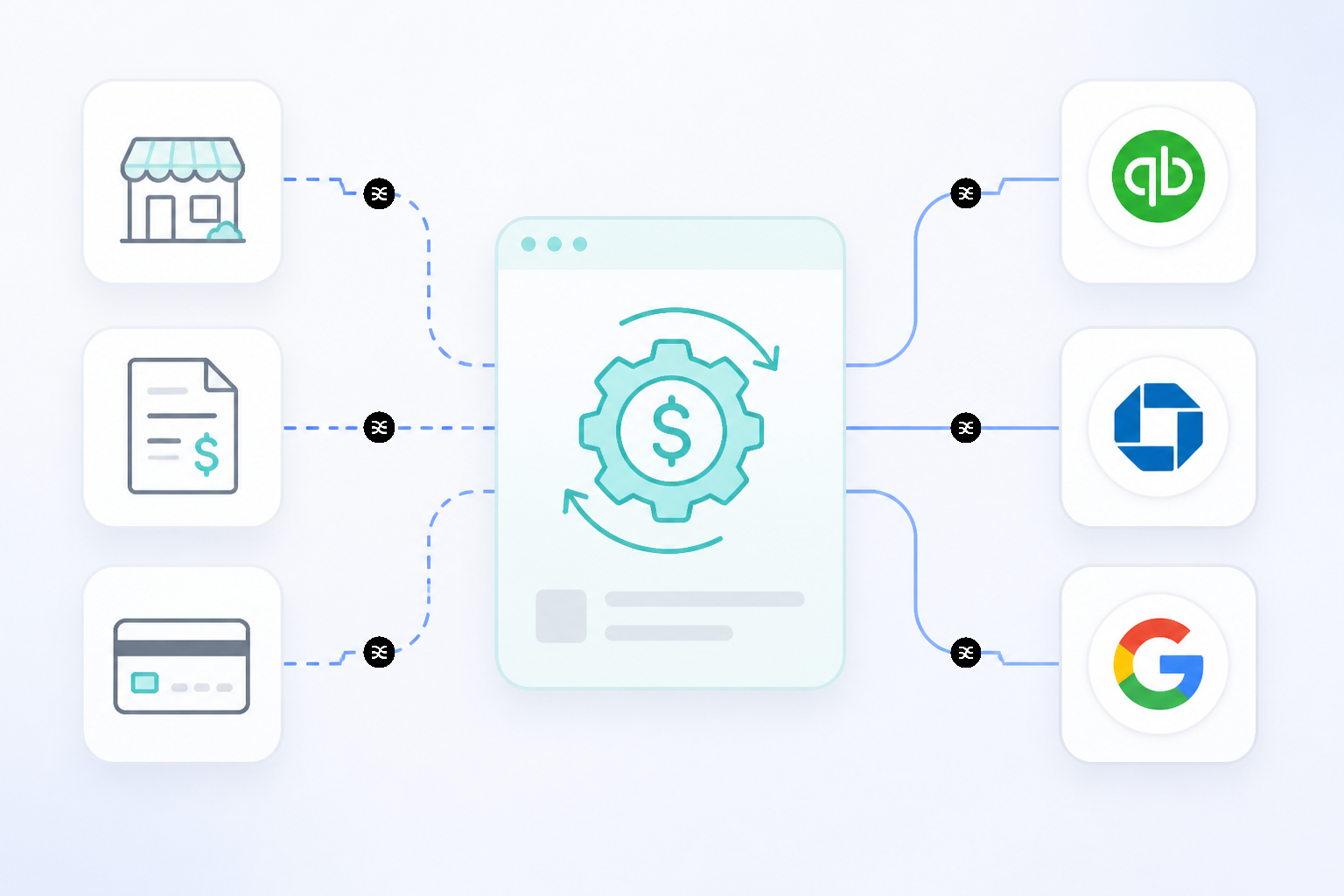
Small business owners and freelancers often find their approach to payments stuck in limbo. A recent survey of finance leaders revealed that while a majority of businesses have adopted some automation, a slim 17.7% have fully automated their accounts payable processes. 5% of businesses, are in a state of partial automation, still relying on manual tasks like entering invoice data by hand or chasing approvals through email.
A halfway point in automation can be a strategic blind spot. Believing that partial automation is "good enough" means missing the actual changes happening in finance. Automating payments strategically involves building a financial system that is intelligent, responsive, and provides true, real-time command of cash.
Learning how to automate payments strategically means moving from simply paying bills to actively directing your money where it needs to go, exactly when it needs to be there.
Why Is Partial Automation a Bigger Problem Than You Think?
When you're juggling client work, managing projects, and trying to grow your business, any step toward automation can feel like a win. Setting up recurring payments for software subscriptions or using a bank's online bill pay function certainly beats writing paper checks. But this is where many stop, stranded in a hybrid system that creates more hidden work than it solves.
Partial automation still leaves critical gaps. You might have digital invoices coming in, but someone still has to manually key in the data. You might have a process for digital approvals, but it still requires someone to log in, find the right button, and push the payment through.
Each of these manual touchpoints is a potential point of failure. It introduces the risk of human error, creates delays, and makes your cash flow picture perpetually out of date.
The biggest pain point in modern payments infrastructure is the lack of a centralized, real-time view of liquidity. When your payment processes are a patchwork of manual steps and disconnected tools, you can't see your complete financial picture. You're forced to make critical decisions based on a checking account balance that doesn't reflect upcoming debits or recently cleared payments.
This ambiguity is where opportunities are lost and costly mistakes are made. Effectively learning how to automate payments means closing these gaps for good.
How Does Full Automation Change the Game?
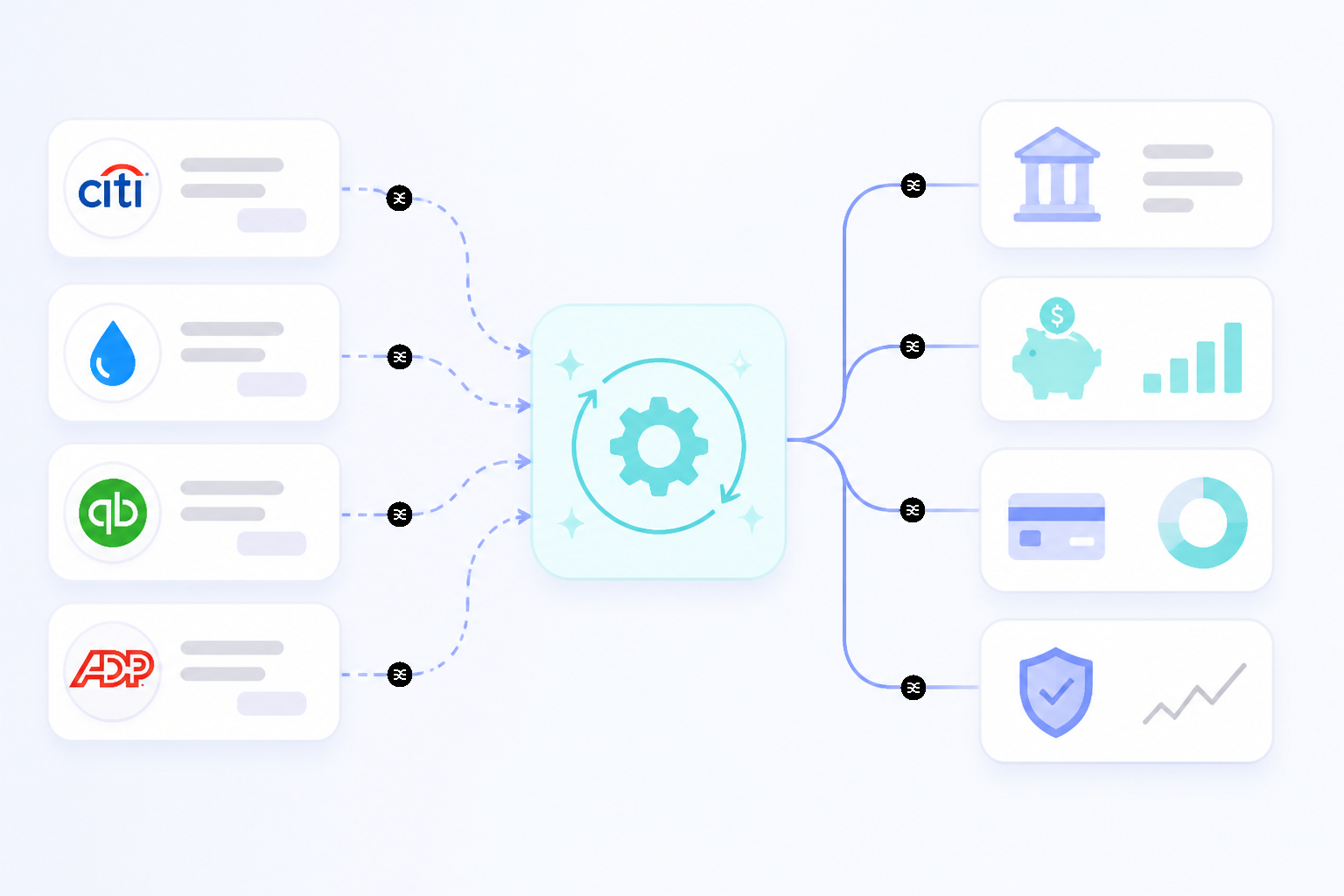 Moving from a partial system to a fully automated one is about more than just eliminating the final manual steps. It represents a fundamental shift in how you manage your money, moving from passive bill-paying to active, intelligent cash management. This change is powered by smarter technology and opens a new level of financial control.
The Shift to Intelligent Cash Movement
True automation enables what experts call efficient and intelligent cash movement. Instead of your money sitting idle in one account until a bill is manually paid, a fully automated system can move funds just in time. This is a concept that large corporations have used for years, but it's now accessible to businesses of all sizes who are serious about how to automate payments.
Imagine these scenarios:
Smart Tax Savings: An automated rule identifies every client payment that comes in and instantly sweeps a set percentage (say, 25%) into a separate tax savings account. You never have to think about it, and you're never caught off guard by quarterly estimates.
Just(in(Time Funding: Your system knows payroll is due on the 15th.
Instead of tying up cash for two weeks, it automatically moves the exact amount needed from a higher(yield savings account or investment account into your payroll account the day before it's needed.
- Dynamic Debt Payoff: You can set a rule that any time your main operating account balance exceeds a certain threshold, the "extra" cash is automatically sent to pay down your highest(interest business loan.
Such a system, with a complete, real-time view of finances across all accounts, offers significant power. It turns your money from a static resource into an active asset.
AI's Growing Role in Your Financial Toolkit
The engine driving this new era of payment automation is artificial intelligence (AI) and machine learning (ML). These technologies are increasingly essential for any business that wants to master how to automate bill payments and other financial workflows.
AI excels at tasks that are repetitive and data(intensive, which perfectly describes most accounts payable processes. Instead of manually typing information from a PDF invoice, AI(powered tools can use optical character recognition (OCR) to extract the data instantly and accurately. But its role goes much deeper.
ML algorithms can analyze your payment patterns to detect anomalies that might signal fraud, long before a human would notice something is amiss. This provides a security that manual processes can't match.
The different approaches stack up as follows:
| Feature | Manual Processing | Partial Automation | Fully Automated with AI |
|---|---|---|---|
| Invoice Processing | 100% manual data keying | Often requires manual correction | AI-driven data extraction & validation |
| Approval Workflow | Email chains, physical follow-ups | Digital but requires manual action | Rule-based, automatic routing |
| Cash Flow Visibility | Lagging, based on reconciled reports | Near real-time, but fragmented | Centralized, real-time liquidity view |
| Fraud Protection | Relies on human memory & vigilance | Basic checks (e.g., duplicates) | Predictive analytics & anomaly detection |
What Does This Mean for Your Business's Bottom Line?
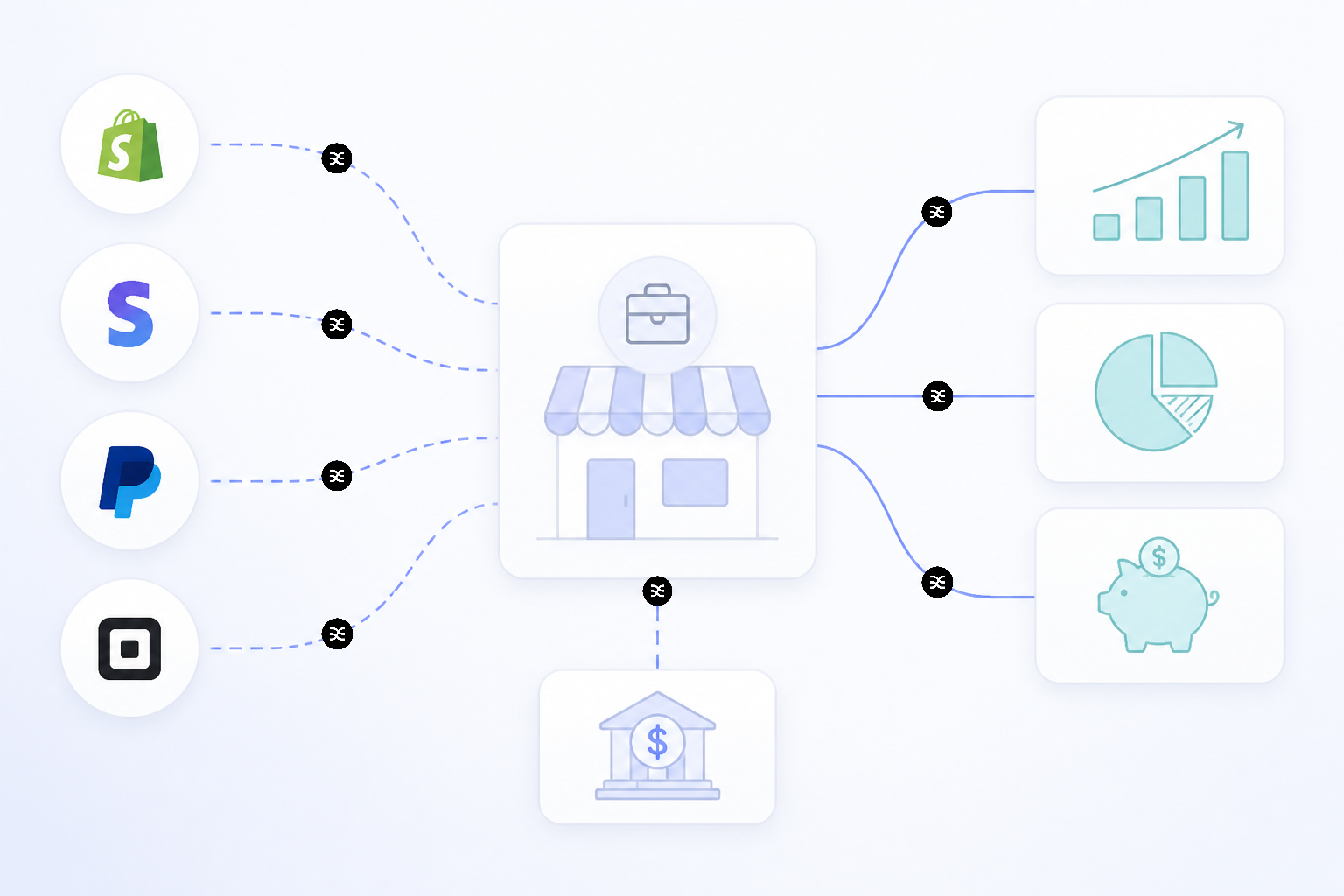 Adopting a smarter approach for how to automate payments is not just an internal efficiency project. It directly impacts your ability to compete and grow.
The global payment processing industry was valued at US$61.1 billion in 2023, a massive market that signals a worldwide shift toward digital and automated financial services. Using this trend is no longer optional.
For businesses with customers in other countries, or even for freelancers working with international clients, payment localization is a critical factor for success. According to one report, an astounding 93% of global consumers say that pricing in their local currency affects their decision to make a purchase.
Manually managing currency conversions and international payment methods is complex and time(consuming. An automated system can handle this easily, opening new markets and making it easier for global customers to pay you.
Embracing full automation ultimately allows small, agile businesses to operate with the financial sophistication of much larger enterprises. It frees up your most valuable resource, your time and mental energy, to focus on serving your customers and developing your products or services. Without administrative burdens of moving money, focus can shift to wealth creation.
A thoughtful strategy for how to automate payments becomes a direct driver of growth.
Automating payables also reduces the tangible costs associated with manual invoice processing, including labor, printing, and
Moving Beyond Simple Bill Pay
The financial system was built around separate, siloed accounts that make it difficult to see the whole picture. For years, the only answer was tedious manual reconciliation or complicated spreadsheets.
A new generation of financial tools is changing this situation. Tools designed for true automation enable this strategic approach. For instance, a system like Sequence lets you create a visual map of all your accounts and set up powerful IF/THEN rules to direct your money.
" This is more than just a better way to handle bill payments. It's a system for executing your entire financial strategy automatically.
As payments become faster and liquidity becomes borderless, the businesses that will thrive are those that replace manual work with intelligent rules. The goal is to get bills paid on time. The new standard is a financial system that actively works for you, optimizing your cash, protecting you from risk, and giving you the clarity to make better decisions, instantly.