How to Use an Embedded Finance API for Your Business
By Liza Zautner ·
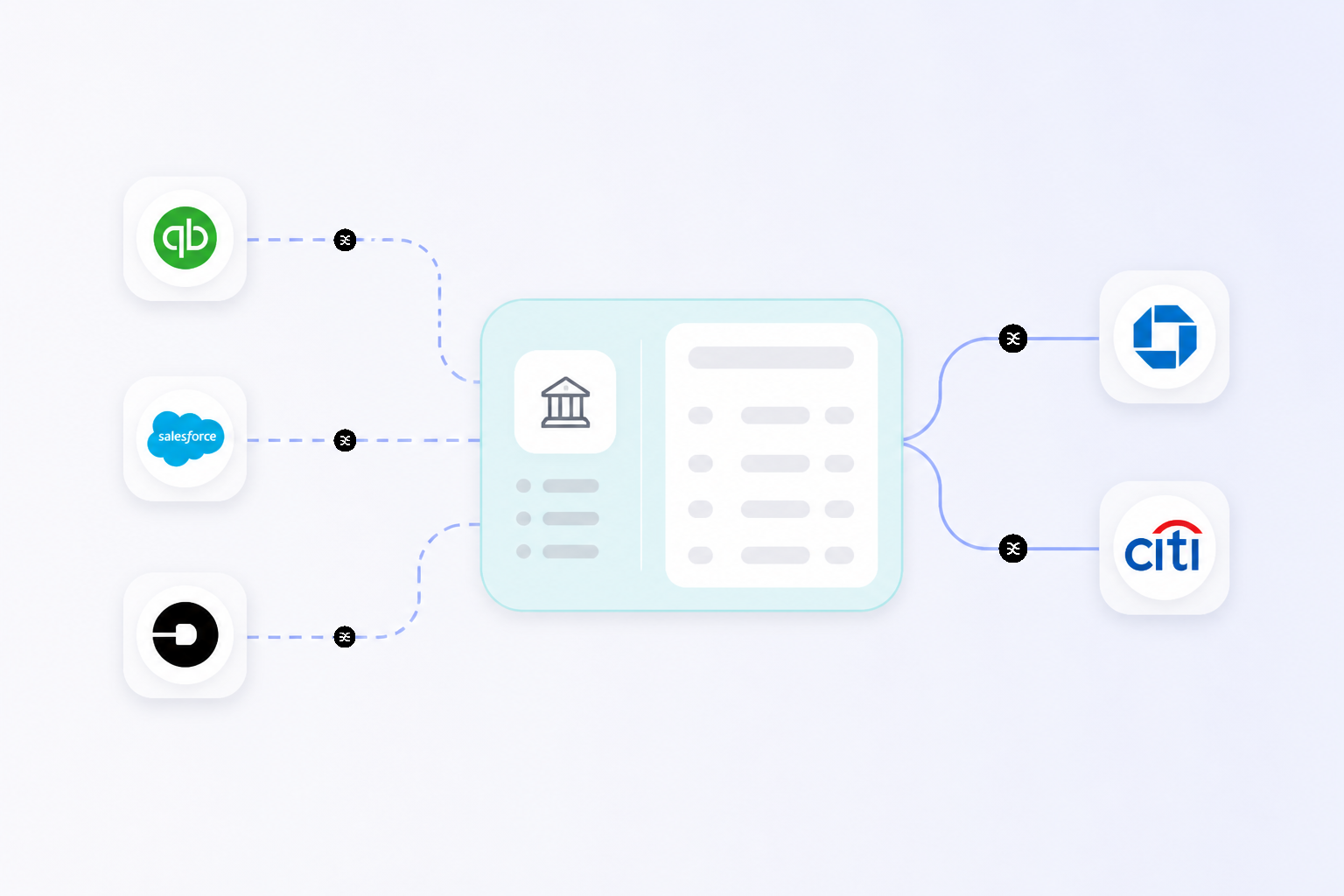
You've probably used embedded finance without even realizing it. When you pay for a ride in the Uber app, book a rental on Airbnb, or see an offer for a business loan inside your bookkeeping software, you're experiencing it firsthand. These financial services feel like a natural part of the application, not a clunky detour to a separate banking website.
This shift is significant. The financial plumbing of the internet is being rerouted, creating experiences that are faster and more intuitive.
9 billion by 2033, driven by customer demand for less friction. It's a quiet but significant change, powered by a specific piece of technology: the embedded finance API.
So, What Is an Embedded Finance API?
Think of an Application Programming Interface (API) as a secure messenger. It's a set of rules that lets different software applications talk to each other and share information without revealing all their internal workings.
An embedded finance API is a specialized version of this messenger, designed to connect a non-financial company (like a retailer, a software provider, or a marketplace) to a licensed financial institution (like a bank). This connection allows the non-financial company to offer banking products: payments, lending, accounts, insurance, directly to its customers, under its own brand.
The API does the heavy lifting in the background, handling the secure communication, compliance checks, and transaction processing. For the business owner or consumer, the financial step simply becomes another feature within an app they already trust.
This is a big reason why creating a friction-free customer experience is one of the biggest drivers of the market's growth. It removes the hassle of switching apps, re-entering information, and navigating unfamiliar interfaces.
Why is This Happening Now?
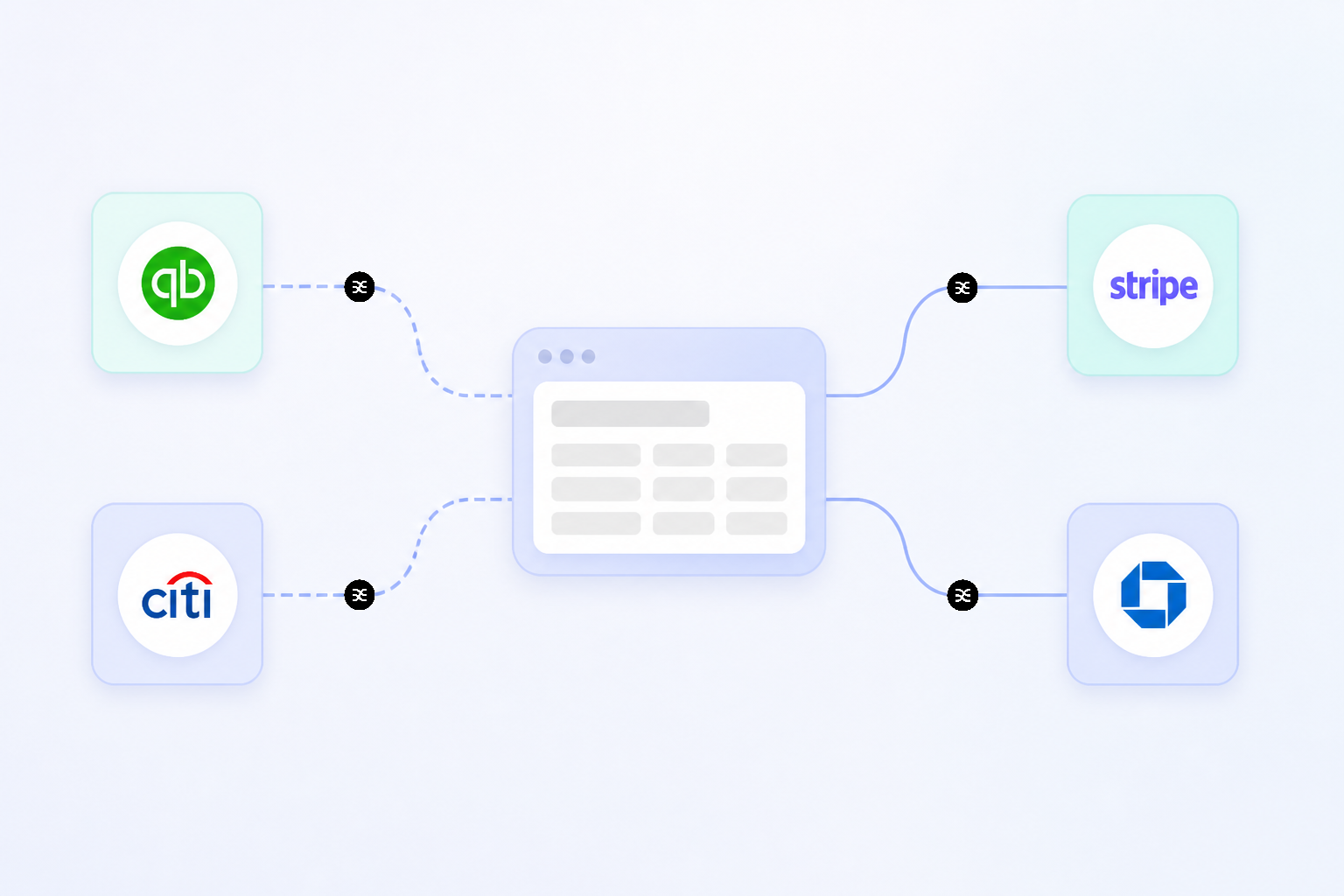 For decades, financial services were something you had to go get. You went to a bank branch or logged into a banking portal. The idea of your accounting software also being able to lend you money seemed far-fetched.
Two key developments changed everything.
The Rise of Open Banking and "Invisible Infrastructure"
First, regulatory shifts like Open Banking created rules that encouraged traditional banks to build secure APIs, allowing customers to grant third-party apps access to their financial data. This laid the groundwork for a more connected financial system.
Second, a new wave of fintech infrastructure companies emerged to build on this foundation. These providers create the "invisible infrastructure" that connects businesses to the banking system. They offer modular, API-first solutions that a software company can use to piece together a financial offering without having to become a bank itself.
According to one report, this trend is well underway, with 63% of U.S. B2B service providers currently offering some type of embedded finance solution to their clients. An embedded finance API is the key that enables this capability.
Moving Beyond Simple Payments
The earliest and most common use of an embedded finance API was for payments. But the technology's potential goes much further. Forward-thinking companies are now using APIs to offer a full suite of banking services.
For example, platforms in the logistics or retail loyalty spaces are beginning to embed accounts, payments, and lending, not just payment processing. This creates a much stickier, more valuable relationship with their users.
Imagine a software platform for construction contractors. Initially, it might have used an embedded finance API just to help contractors accept credit card payments from clients. Now, that same platform can also offer:
- A business checking account where those payments are deposited.
- A company card for buying materials at Home Depot.
- Short-term financing to cover payroll while waiting for a big check to clear.
Each of these services is delivered right inside the software the contractor already uses to manage their projects.
How Does an Embedded Finance API Benefit You?
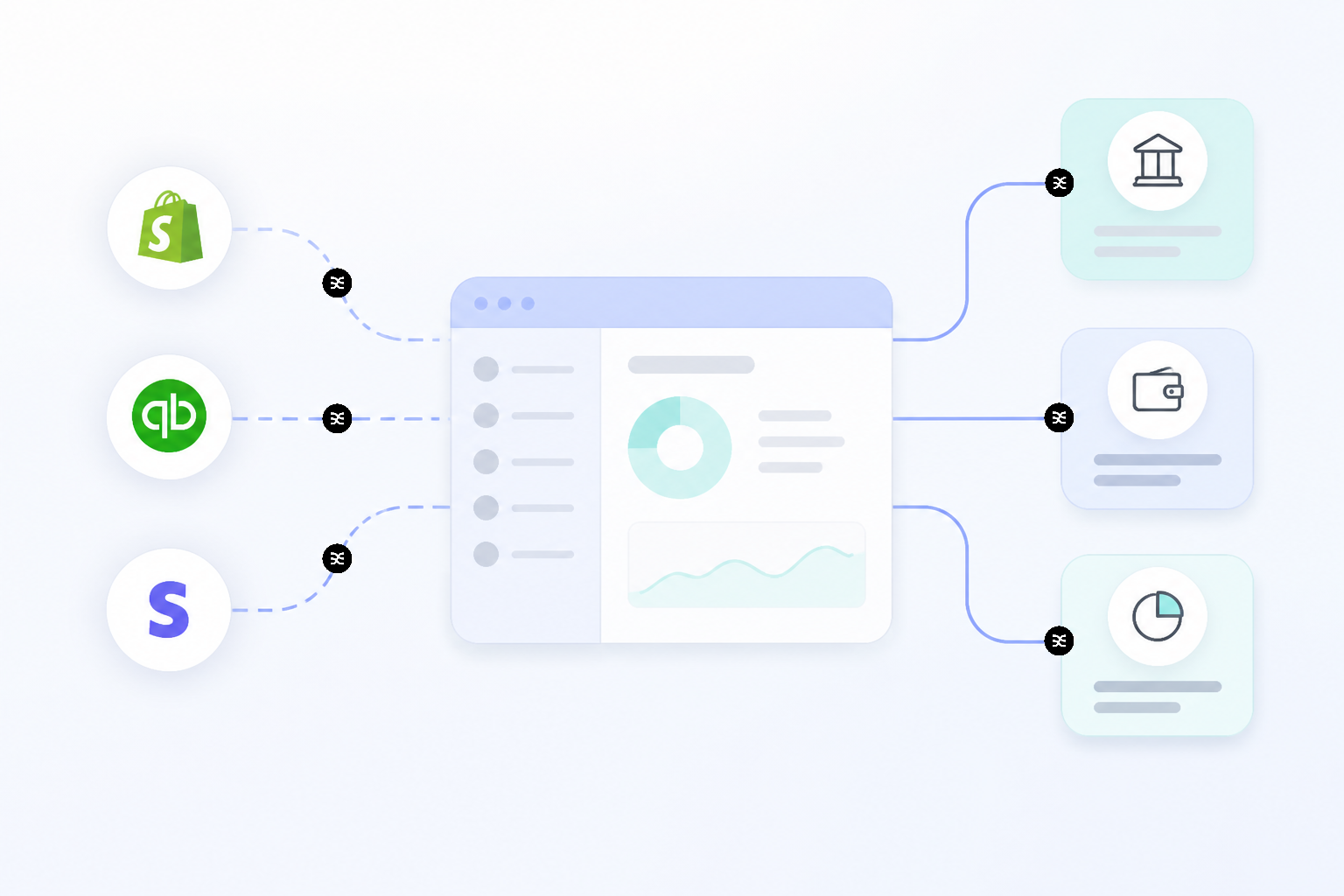 Whether you're a small business owner, a freelancer, or just a consumer, this movement makes managing money more contextual and less of a chore. Instead of finance being a separate task on your to-do list, it becomes a tool that appears exactly when and where you need it.
For a business, the difference is stark. Getting a traditional business loan is often a painful process that involves weeks of paperwork and waiting. An embedded finance API changes the entire dynamic.
| Feature | Traditional Business Loan | Embedded Business Loan |
|---|---|---|
| Application Process | Separate bank website, long forms | In-platform, often with a one-click apply |
| Data Requirement | Manual submission of financial statements | Automatic analysis of platform sales data |
| Approval Time | Days or weeks | Minutes or hours |
| User Experience | Disjointed, requires context switching | Integrated and contextual |
Common embedded finance examples include:
- Buy Now, Pay Later (BNPL): Services like Affirm or Klarna integrated into an e-commerce checkout.
- In-Platform Lending: A company like Shopify offering capital to its merchants based on their store's sales history.
- Specialized Insurance: An airline offering travel insurance during the booking process.
- Instant Payouts: A freelance marketplace allowing a designer to get paid moments after a project is approved, rather than waiting for a standard bank transfer.
Each of these is made possible by an embedded finance API working behind the scenes.
What's the Business Case for Offering Embedded Finance?
For the companies integrating these services, the benefits are clear. It's about adding a convenient feature, and it is a strategy for growth and a significant source of new revenue. 6 trillion by 2030.
Here are the main advantages for companies that use an embedded finance API to offer financial products:
- Create New Revenue Streams: Businesses can earn a share of the interchange fees from card transactions, interest from loans, or referral fees from other financial products. This diversifies their income beyond their core product or service.
- Increase Customer Lifetime Value: When customers rely on your platform for essential financial operations, they are far less likely to switch to a competitor. It makes your product stickier and more indispensable.
- Boost Conversion and Sales: Offering financing at the point of sale, whether it's BNPL for a consumer or a line of credit for a business buyer, can remove price as a barrier and increase the average order size.
- Access Better Data: With customer permission, embedded finance provides a much clearer view of a customer's financial health, enabling more personalized offers and better risk assessment.
The Future: A More Connected and Automated Financial World
The integration of financial services is only going to deepen. Looking ahead, the focus will shift toward greater personalization, proactive financial guidance, and, crucially, a stronger emphasis on security and data privacy. As users grow more comfortable with this model, they will expect more from the platforms they use.
This trend is also a major force for financial inclusion, especially in emerging markets. By embedding financial services into widely used mobile apps, companies can provide access to banking, credit, and insurance for populations that have historically been underserved by traditional banks. An embedded finance API can help a small merchant in a remote village get a micro, loan based on their mobile payment history, enabling economic opportunity.
As more businesses get paid through platforms offering embedded banking, managing cash flow across these new accounts and your primary bank becomes a new challenge. The goal is to connect them all. A tool like Sequence, for instance, helps by showing all your accounts on a visual Money Map and letting you set up simple rules to automatically move funds, like sweeping a percentage of every marketplace payout to a tax savings account.
Automating the plumbing between accounts is the next logical step in a world where an embedded finance API can place accounts anywhere.
Your Financial System, Integrated
The rise of the embedded finance API marks a fundamental change in our relationship with money. It moves finance from being a destination you have to visit to a utility that's always available in the background, integrated into the tools you already use to run your business and your life.
For business owners and freelancers, this means more time spent on your actual work and less on financial administration. For consumers, it means simpler, faster, and more intuitive experiences. The complex world of banking is becoming a little less complicated, one API call at a time.