Modern ACH Payment Integration vs. Old Transfers
By Liza Zautner ·
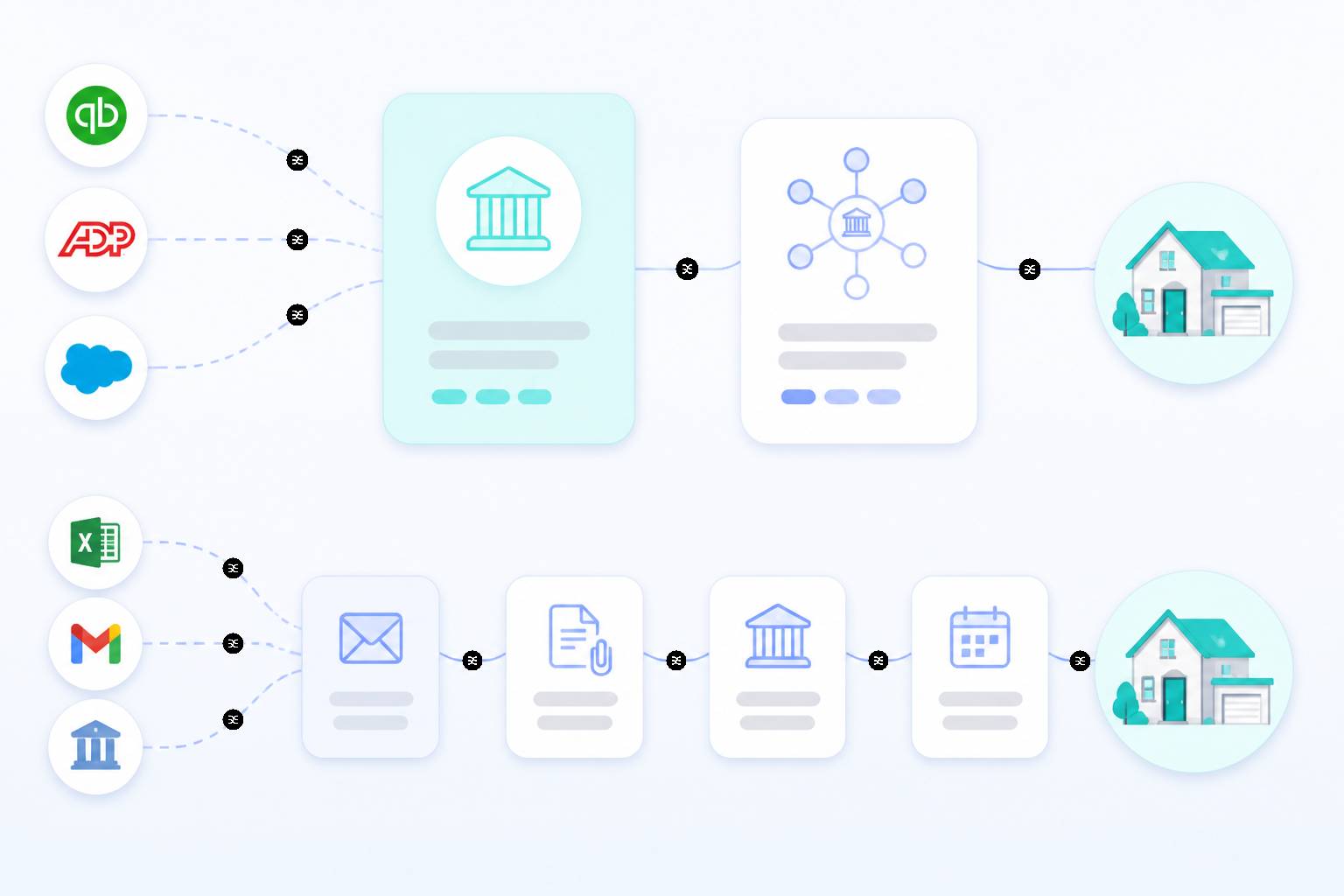
The way money moves is quietly undergoing a massive overhaul. S.
The economy's financial backbone, the Automated Clearing House (ACH) network, has been experiencing significant growth. This network processed payments worth $93 trillion in 2025, indicating increased reliance from both businesses and consumers.
This isn't just about more transactions. It's about a fundamental shift in how businesses pay their bills, receive income, and manage their finances. The days of relying on paper checks or clunky, one-off bank portal transfers are numbered.
Today, the choice for any freelancer or small business owner is between sticking with those legacy methods or embracing a modern ACH payment integration that provides speed, visibility, and control. This evolution from simple transaction processing to intelligent cash flow management is what the record-breaking numbers truly represent.
The Engine of Change: Why B2B Payments Are Migrating to ACH
The single biggest story behind ACH's growth is the migration of business-to-business (B2B) payments from paper to digital. For decades, the paper check has been a stubborn fixture in American business operations, but its dominance is finally fading. Businesses of all sizes are now using ACH for everything from paying vendors and contractors to managing payroll and collecting recurring revenue.
The numbers tell a compelling story. 6% jump from the previous year. It is confirmed that ACH payment volume rose 5% in the second quarter of 2025.
This wasn't a niche movement, either. Some industries have adopted ACH at an incredible rate. For example, a report on payment rail migration found that healthcare claim payments made via ACH grew by an astonishing 2,556% between 2013 and 2024.
This shift isn't happening just because it's new. It's happening because a well-implemented ACH payment integration solves real-world problems. It replaces the slow, error-prone, and expensive process of writing, mailing, and reconciling paper checks with a streamlined, cost-effective digital workflow.
For small businesses and freelancers juggling multiple clients and vendors, this transition from manual work to automated efficiency is a significant competitive advantage.
How Does a Modern ACH Integration Differ from Basic Transfers?
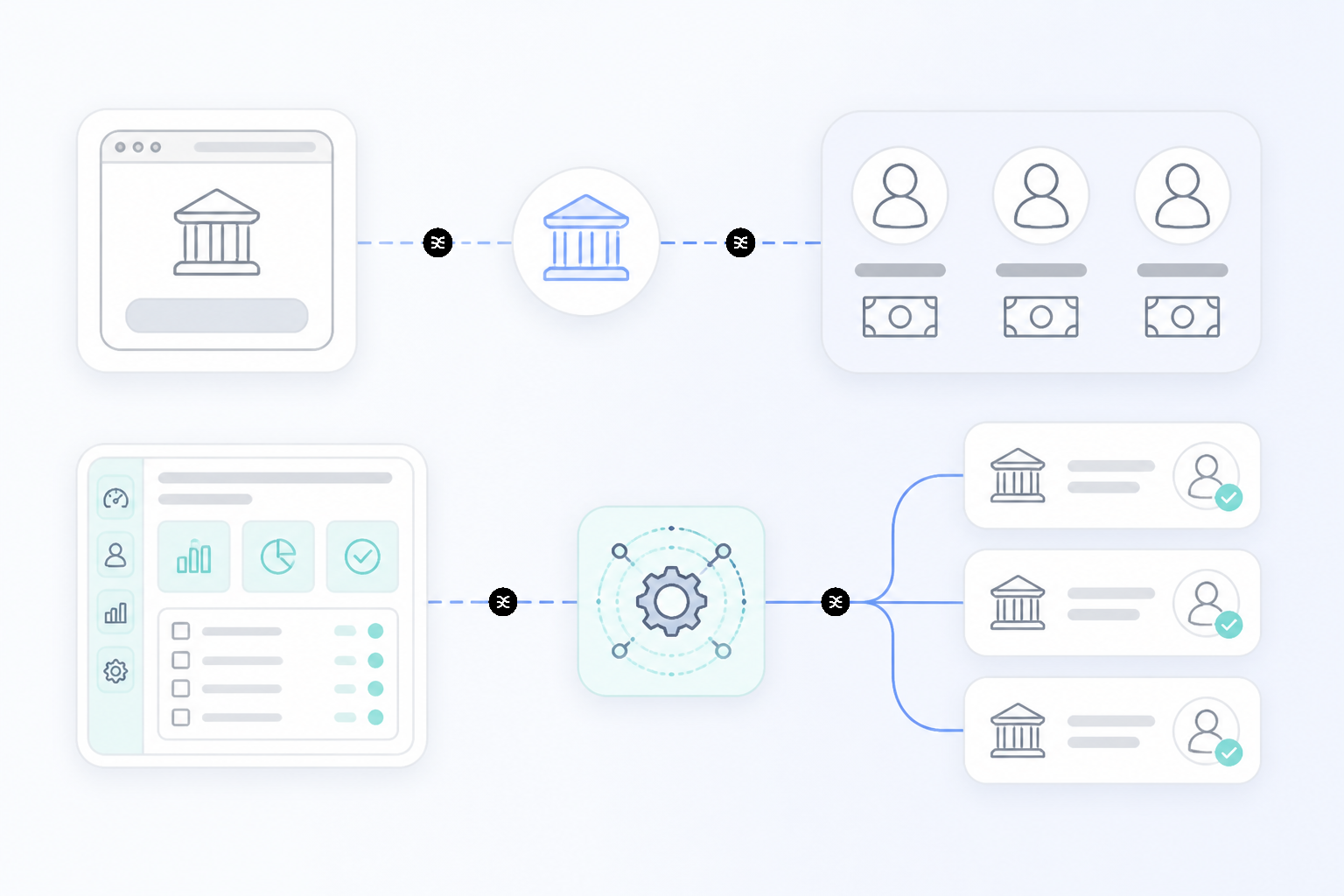 At a glance, a bank transfer is a bank transfer. But when you look at how businesses actually manage their money, the difference between using your bank's basic online portal and a dedicated ACH payment integration platform is vast. One is a simple tool for single transactions; the other is a system for managing your entire cash flow.
| Feature | Basic Bank Portal ACH | Modern ACH Payment Integration |
|---|---|---|
| Speed | Standard 1-3 day settlement. Same-day options are often limited or clumsy. | Access to Same Day ACH and real-time payment rails with optimized cutoff times. |
| Automation | Limited to simple recurring payments scheduled for a fixed date. | Dynamic, rule-based automation (e.g., trigger payments based on account balances). |
| Data & Reconciliation | Basic transaction line items. Often requires manual data entry into accounting software. | Rich data, automatic reconciliation, and direct integration with accounting systems. |
| Error Handling | Payment failures or returns often require manual investigation and re-initiation. | Automated retries, predictive failure analysis, and clear notifications. |
| Scalability | Becomes cumbersome when managing dozens or hundreds of payments. | Designed to handle high volumes of transactions efficiently. |
The Need for Speed: Same Day ACH and Real-Time Rails
One of the most significant upgrades to the network has been the expansion of Same Day ACH. The demand for faster payments is undeniable.
From 2024 to 2025, Same Day ACH transaction volume grew by 16.7%, and its total dollar value showed even more dramatic growth. In the first quarter of 2025 alone, the value of Same Day ACH payments jumped 25% year-over-year.
A modern ACH payment integration is built to take advantage of this speed. Instead of being locked into a bank's slow default processing window, these platforms can intelligently route payments to meet faster deadlines. This is crucial for businesses needing to pay a contractor on a Friday afternoon or a solopreneur needing to move funds to cover an unexpected expense.
The introduction of true real-time payment networks like FedNow and RTP is pushing this even further, and modern ACH gateways are already preparing to incorporate these instant rails.
Beyond Simple Transfers: The Power of Contextual Data
A legacy bank transfer tells you who you paid and how much. A modern ACH payment integration tells you why. These platforms wrap each transaction in a layer of valuable data, connecting payments to invoices, clients, or specific expense categories.
This might sound like a small detail, but it has a huge impact on back-office efficiency. It means no more late nights trying to match vague transaction descriptions in your bank statement to a pile of invoices. With a proper ACH payment integration, reconciliation can be almost completely automated.
This frees up countless hours for business owners and provides a much clearer, real-time picture of cash flow, which is the foundation for better financial decisions. It's the difference between just moving money and understanding it, making it easier to see how you can automate bill payments and reclaim hours of your time.
Why is AI Becoming a Game-Changer for ACH Payments?
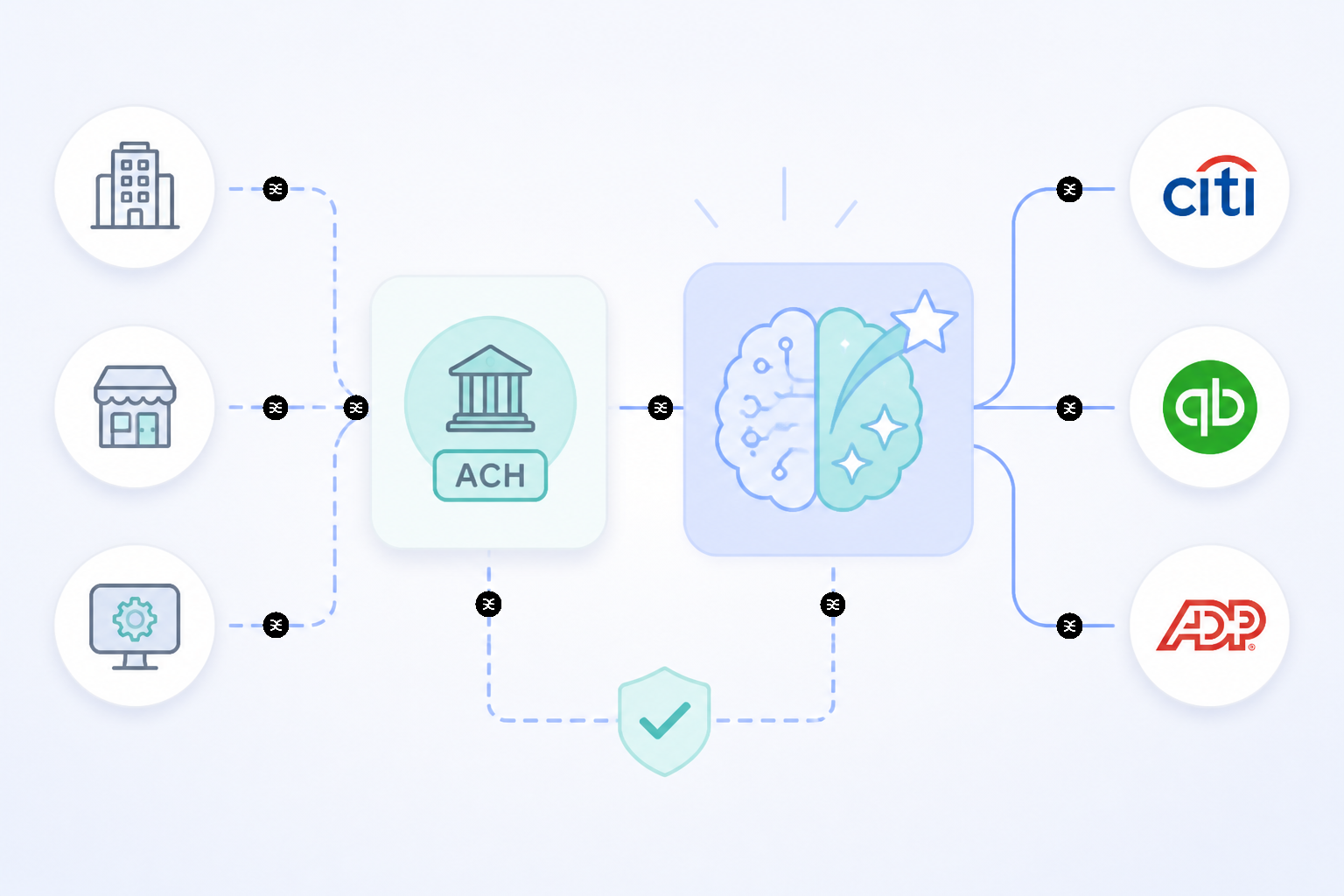 As the volume and speed of ACH transactions increase, so does the complexity. The next major evolution in ACH payment integration is the application of artificial intelligence to manage that complexity. While basic systems rely on fixed, manual rules, AI-powered platforms can learn, adapt, and make intelligent decisions automatically.
According to industry analysis, AI is becoming the defining differentiator in ACH processing software, especially in high-volume B2B environments. Here are a few practical ways it's making a difference:
- Intelligent Remittance: AI can automatically read and match incoming payment data to outstanding invoices, even when the information is messy or incomplete.
- Failed Payment Prediction: By analyzing historical data, AI models can identify transactions that have a high probability of failing (due to insufficient funds, for example) before they are even initiated. This allows businesses to proactively address issues and avoid return fees.
- Optimized Timing: AI can determine the best time to process a payment based on network cutoff times, historical settlement data, and fund availability, ensuring the fastest possible transfer without manual intervention.
- Smarter Fraud Detection: Rule-based fraud systems are effective but can be rigid. AI learns your normal transaction patterns and can flag suspicious activity that might not break a specific rule but is highly unusual for your business.
This level of intelligence is simply not available through a standard bank portal. It represents a significant leap forward in making your financial operations more resilient and efficient.
Building a More Intentional Financial System
The rapid growth of the ACH network is a clear sign that businesses are tired of legacy financial plumbing. The shift away from paper checks and toward digital B2B payments, the accelerating demand for same-day settlement, and the emergence of AI-driven automation all point to one thing: business owners want more control.
An effective ACH payment integration delivers that control. It transforms payments from a simple, one-off task into a dynamic, data-rich system for managing your company's cash flow. It's no longer just about sending money from point A to point B; it's about doing it quickly, efficiently, and with the intelligence to prevent errors before they happen.
For businesses with complex finances, this kind of automation is essential. Some modern financial tools allow you to build custom workflows to automatically move money based on rules you define, visualizing your entire financial picture and routing funds between different accounts or "pods" to cover taxes, payroll, or profit.
Ultimately, navigating the modern financial world means building your own system on top of the one the banks provide. A modern ACH payment integration is a foundational piece of that personal system, giving freelancers and business owners the tools to orchestrate their money with intent and clarity.