The New API for Fintech: Moving Real Money
By Liza Zautner ·
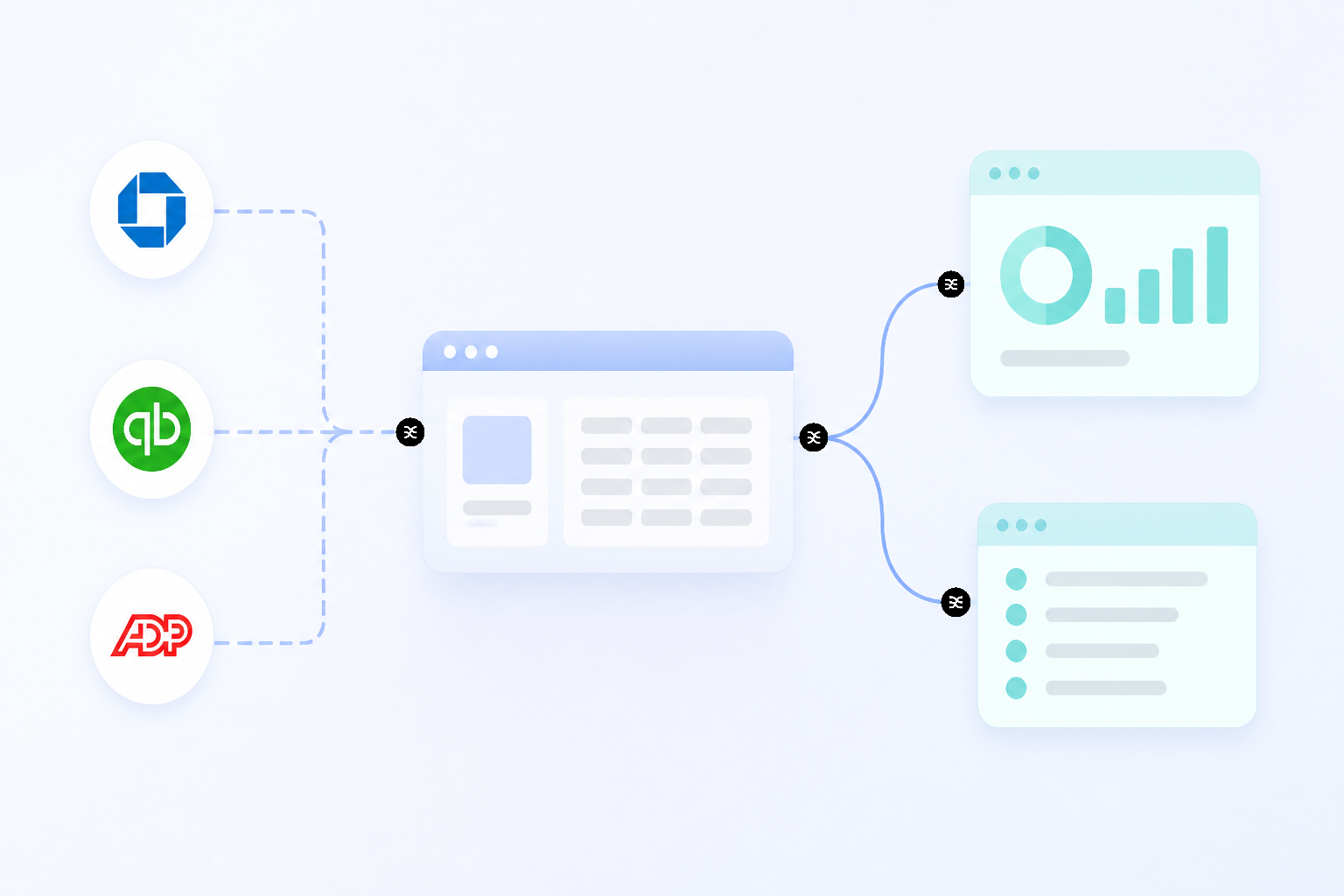
The global fintech market is expanding at a remarkable pace. com/industry-reports/global-fintech-market'). This growth is fueled by a quiet, powerful technology working behind the scenes, the Application Programming Interface, or API.
If you've ever linked a bank account to a budgeting app, paid for a purchase inside a social media platform, or received an instant loan offer, you've used a service powered by an API for fintech. They are the essential messengers that allow separate financial systems to talk to each other, creating the interconnected financial world.
What Exactly Is an API for Fintech?
A fintech API commonly acts as a waiter in a restaurant. The customer does not need to go into the kitchen, understand the recipes, or know how the oven works. The customer simply tells the waiter what they want from the menu.
The waiter takes the order to the kitchen (the bank or financial system), which then prepares the request. The waiter then brings the finished dish (the data or the completed transaction) back to the table.
In this scenario, the API is the waiter. It's a secure software intermediary that carries requests and responses between different applications. An API for fintech specifically facilitates communication and data sharing between financial institutions, software companies, and end-users.
This creates what's often called the "API economy," where developers can build new products and services by plugging into existing financial infrastructure instead of building it from scratch. This ability for different systems to work together is the foundation of almost every modern financial convenience.
What Key Trends Are Shaping Fintech APIs?
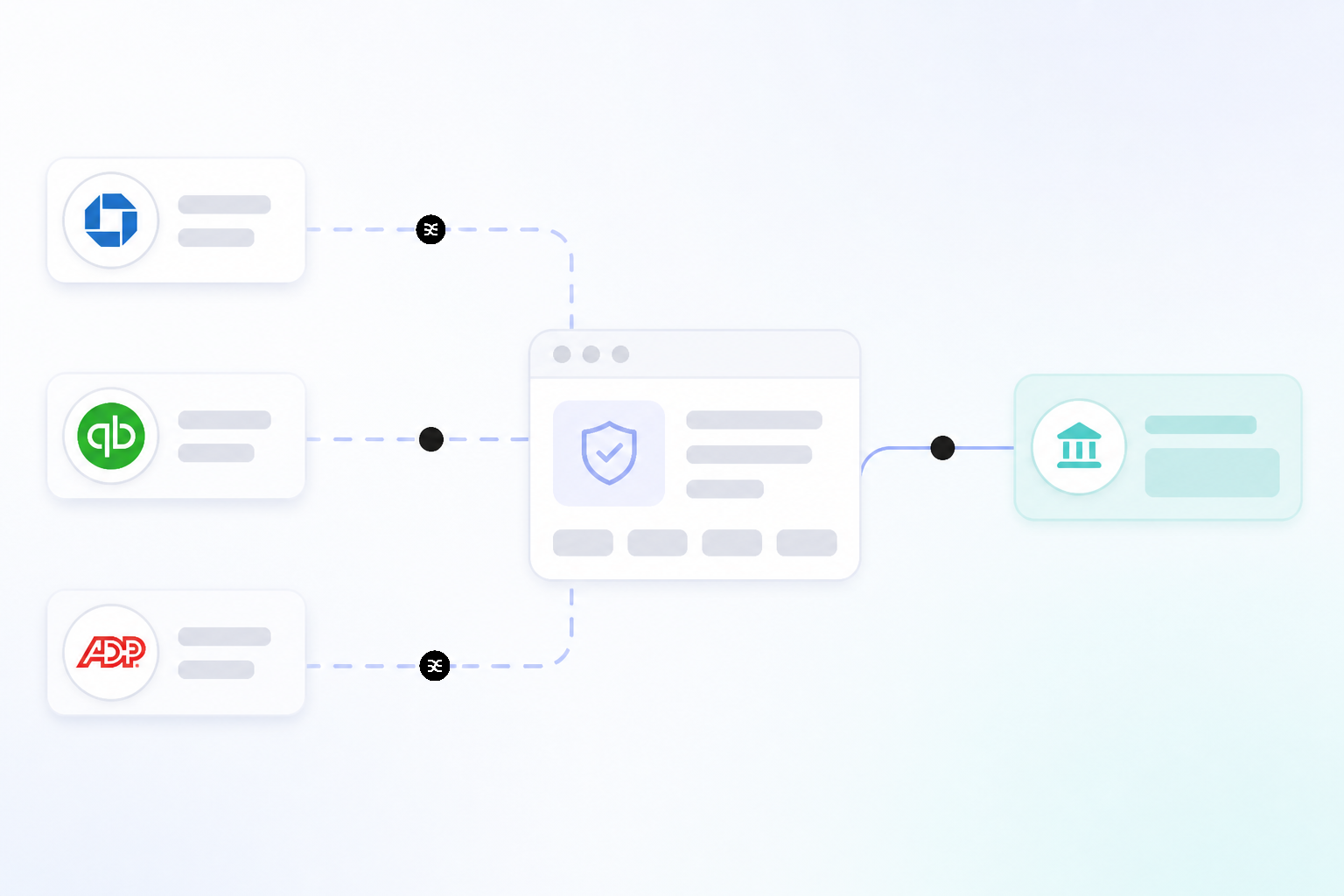 The world of financial technology is constantly evolving, and a few major trends are pushing the boundaries of what's possible with an API for fintech. A recent report identified several key developments, with a strong emphasis on openness and new technologies creating more integrated user experiences. 17 billion by 2030, underscores this shift.
Three trends stand out:
- Open APIs: This refers to the practice of banks and financial institutions making their data and services available to trusted third-party developers via secure APIs. This allows users to connect their bank accounts to budgeting apps, investment platforms, and other tools, giving them a complete picture of their finances.
- Blockchain Integration: While still maturing, blockchain APIs offer new ways to handle transactions with enhanced security and transparency. They have the potential to streamline cross-border payments, trade finance, and other complex financial processes.
- Embedded Finance APIs: This is one of the most visible trends. It involves placing financial services like payments, lending, or insurance directly within non-financial apps and platforms.
Embedded Finance: Bringing Financial Tools to You
Many people have used embedded finance without realizing it. For instance, ordering a coffee through a cafe's app, booking a vacation rental and paying directly on the site, or accepting a "buy now, pay later" offer at checkout are all interactions with embedded finance.
An embedded finance API allows a ride-sharing company, for example, to build a payment system into its app rather than sending you to an external website. This makes the experience smoother for the customer and creates new revenue opportunities for the business.
How Do Businesses Use Fintech APIs Today?
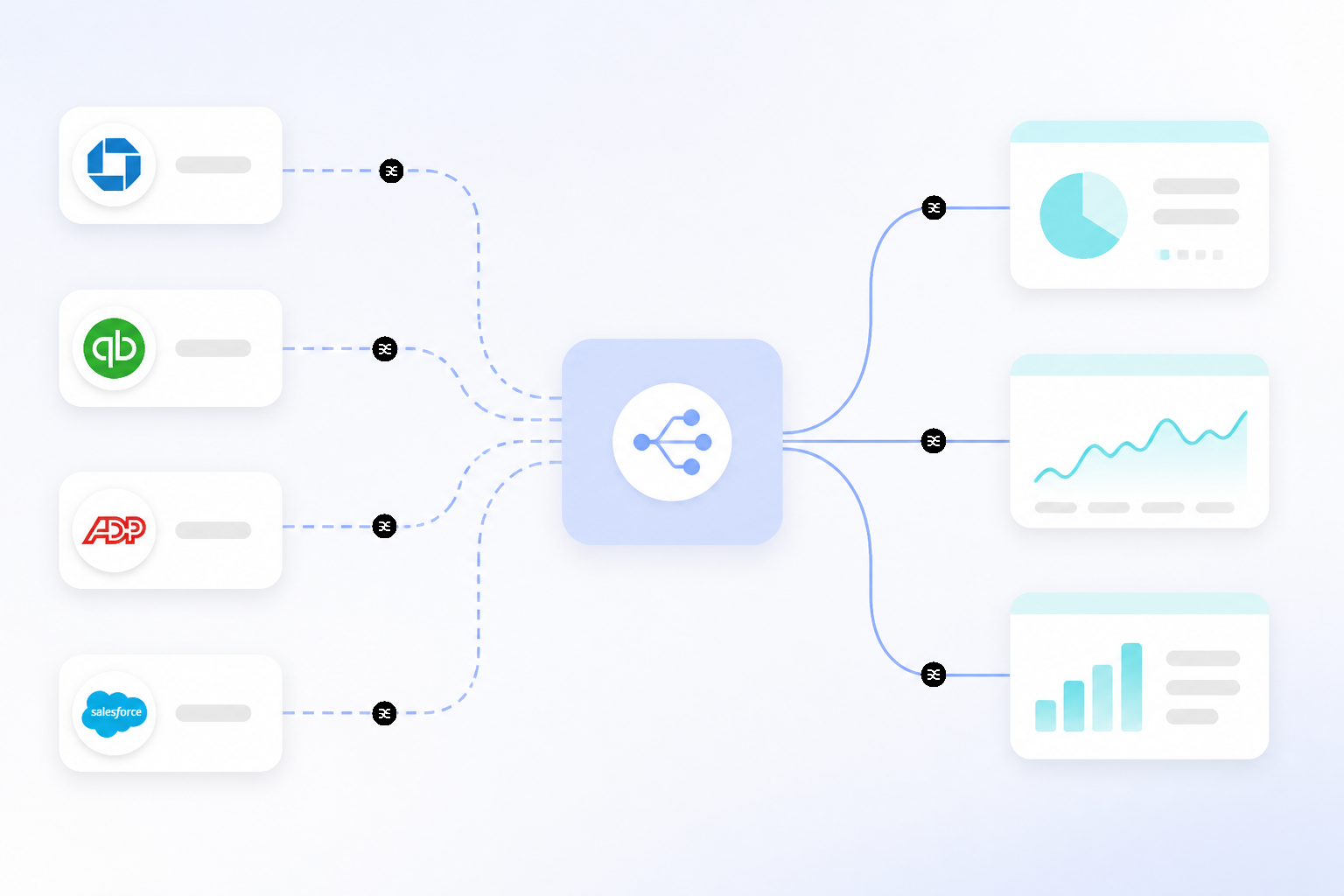 For business owners and freelancers, the applications of an API for fintech are incredibly practical. The technology is moving far beyond simple payments. For example, corporations are increasingly looking for embedded treasury dashboards that use unified APIs to pull functions like foreign exchange hedging, company card issuing, and cash management into a single view.
This consolidation dramatically shortens decision-making time and helps businesses manage their cash flow more effectively.
Much of this innovation is driven by specialized API providers that handle the complex parts of the financial system. Companies like Plaid and Stripe are well-known leaders in this space.
- Plaid is a primary example of an API for fintech that focuses on data connectivity. It created the technology that allows you to securely link your bank account to thousands of other financial apps.
- Stripe provides a suite of APIs for handling payments. It lets businesses build customizable checkout pages, manage recurring subscriptions, and automatically handle the logic for things like failed payment attempts.
These are just two examples. A whole ecosystem of providers offers specialized APIs for different financial jobs.
| API Type | Key Function | Example Provider |
|---|---|---|
| Payment Processing | Accepting and managing online payments and subscriptions. | Stripe |
| Data Connectivity | Linking user bank accounts to third-party applications. | Plaid |
| Trading & Investment | Building trading apps and algorithmic platforms. | Alpaca |
Retail-focused firms use APIs to offer features like micro-investing and personalized budget coaching, extending the
How Do APIs Speed Up Financial Innovation?
Perhaps the single biggest benefit of an API for fintech is the speed it brings to the market. Before APIs became widespread, building a new financial product was a monumental task. It could take years and millions of dollars to build the necessary infrastructure, secure partnerships with banks, and navigate complex regulations.
Banking APIs completely change this equation. They allow developers to connect directly to proven, compliant banking systems, reducing development time from years to months.
This massive reduction in time and cost has led to an explosion of niche financial tools designed for specific audiences, from freelancers to large corporations. An API for fintech handles the heavy lifting of security, data transfer, and compliance, freeing up creators to focus on building a better user experience.
The Power of Real-Time Information
In finance, speed of information is critical. Another area where a specialized API for fintech is making a huge impact is in delivering real-time financial news and data. Trading platforms and AI-driven research tools can't rely on simple news headlines.
They need structured, contextualized data that can be interpreted by software to identify market-moving events.
Modern financial news APIs don't just deliver articles, they deliver signals. These APIs can tag articles with relevant company tickers, identify key events like executive changes or earnings announcements, and even gauge market sentiment. This allows automated systems to react instantly to new information.
For individuals, this technology powers apps that provide instant alerts about stocks in a portfolio. For institutions, it powers sophisticated AI research tools and risk monitoring systems that can screen thousands of sources for critical information that a human analyst might miss.
The Invisible Network Connecting Your Finances
The API for fintech has quietly become the central nervous system of the modern financial system. It's the invisible plumbing that connects your bank account to your budgeting app, your business software to your payment processor, and your investment platform to the markets. It's what lets you manage your money, pay your bills, and run your business from a device in your pocket.
This interconnectedness, driven by the flexible power of the API for fintech, is making the financial world more accessible and manageable for everyone. This programmability allows tools to automate complex financial jobs that once required hours of manual work. Sequence Agentic is an API for AI builders who want to automate granular money movement without becoming banking engineers.
For instance, Sequence Agentic can use secure API connections to monitor account balances and automatically move funds between designated 'Pods' based on user-defined rules, turning a once-manual chore like setting aside tax money into a set-and-forget workflow. As this technology continues to develop, it will create even more ways to put your money to work automatically and intelligently.