Why Your Plaid API Integration Is Already Outdated
By Ari Schlacht ·
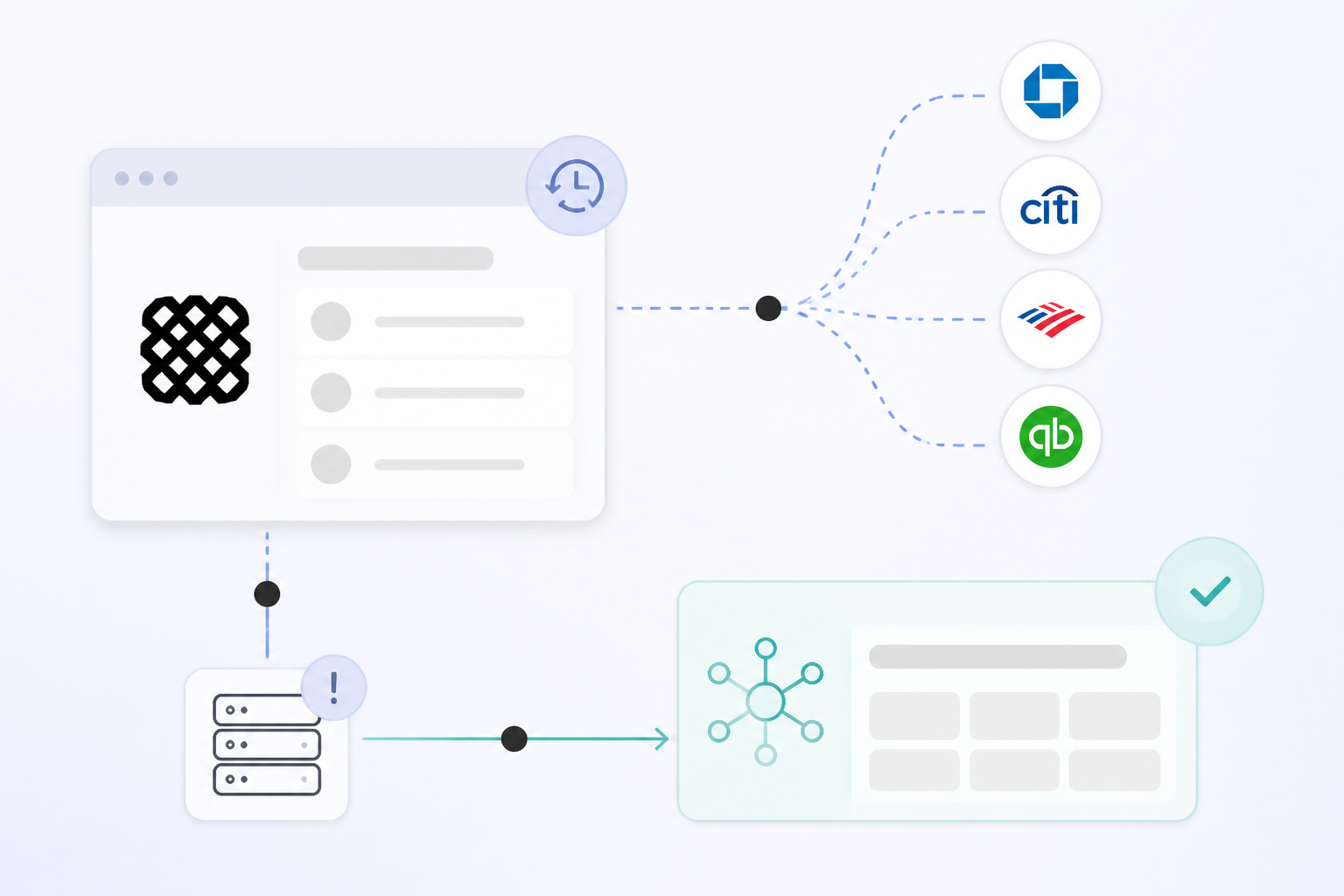
The financial plumbing of the internet is being rebuilt at a blistering pace. A surge driven by new regulations, fintech growth, and customer demand. This is a structural shift.
If you built your Plaid API integration a couple of years ago and haven't revisited its architecture, you're likely operating on yesterday's infrastructure. The "set it and forget it" approach to financial connectivity no longer works. You might see it in small ways: a connection that seems a little brittle, a user experience that feels basic, or a sense that you're not getting the full value from the data you access.
These aren't isolated bugs, they're symptoms of an outdated integration strategy that's holding your product back.
Are You Still Treating Plaid Like a Simple Bank Connector?
For years, Plaid was synonymous with one thing: linking a bank account. For many of its roughly 7,000 developer customers, the job was to use the API to grab transaction data or to verify an account for ACH, thereby completing the integration.
That model is now obsolete. The company is a financial intelligence network, and a simple Plaid API integration that only handles basic connectivity is missing the point.
The new generation of applications uses data to power smarter, more personalized experiences. If your integration is still built around the old model, you're competing with one hand tied behind your back.
From Connectivity to Intelligence: The AI Toolkit
Plaid has been weaving artificial intelligence directly into its developer tools. The company's integration with AI platforms like Claude allows teams to analyze performance and troubleshoot issues using conversational language. This shift means a modern Plaid API integration uses intelligent diagnostics.
Developers can ask questions about performance bottlenecks or error rates and get actionable answers without digging through logs. This turns the API from a passive data source into an active partner in building and maintaining your application.
The Shift to User-Centric APIs
Perhaps the most significant architectural change is Plaid's move to new User APIs. Historically, integrations were built around "items" and user tokens, which represented a single login at a financial institution.
The new model consolidates everything around a single, simplified user_id. This might seem like a technical detail, but it's a fundamental change in how a Plaid API integration should be structured.
This new approach creates a more durable and complete picture of an end-user's financial life, paving the way for features like Multi-Item Link and Plaid Protect. For developers, aligning with this user-centric model is essential for accessing Plaid's latest and most effective features.
Why Isn't Your Integration Driving More Engagement?
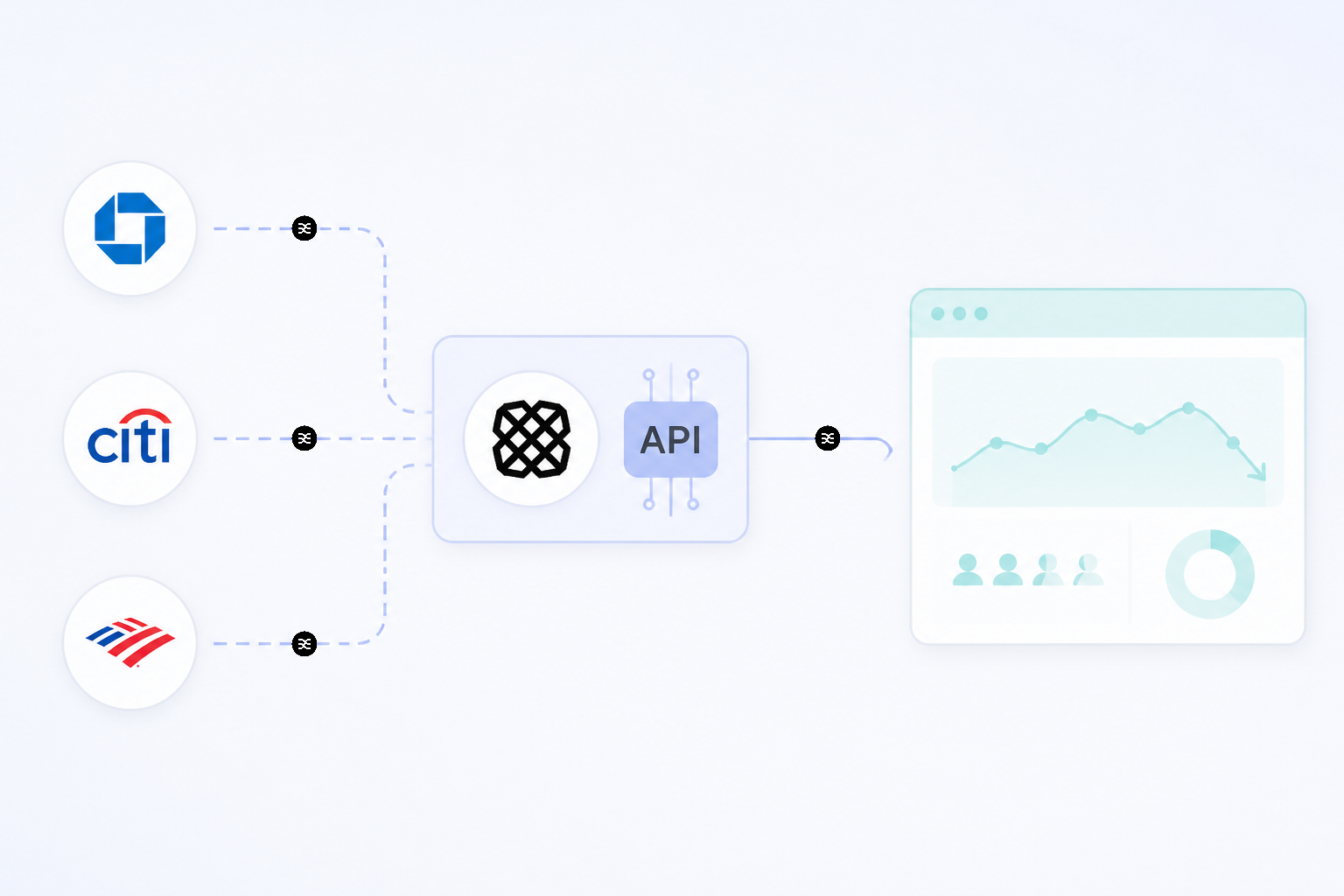 The ultimate goal of using a financial API is to build a product that customers love and use frequently. If your user engagement metrics are flat, your Plaid API integration might be part of the problem. A clunky, unreliable, or shallow connection can create friction that drives users away.
On the other hand, a deep and dependable integration can create a stickier, more valuable user experience. According to Plaid's own data, when a consumer connects their primary account to an app, the transaction frequency within that account increases by an average of 7%. This happens because a good integration doesn't just pull data, it makes the underlying bank account more useful.
This increased engagement is directly tied to reliability. In 2025, Plaid successfully cut outage-related downtime across its top data providers by 50%. A more stable connection means fewer failed syncs, more up-to-date information, and a customer experience that just works.
A modern Plaid API integration built with robust error handling and monitoring is best positioned to capitalize on these reliability improvements. The result is higher user trust and a stronger foundation for your product's core features.
How Can You Future-Proof Your Plaid API Integration?
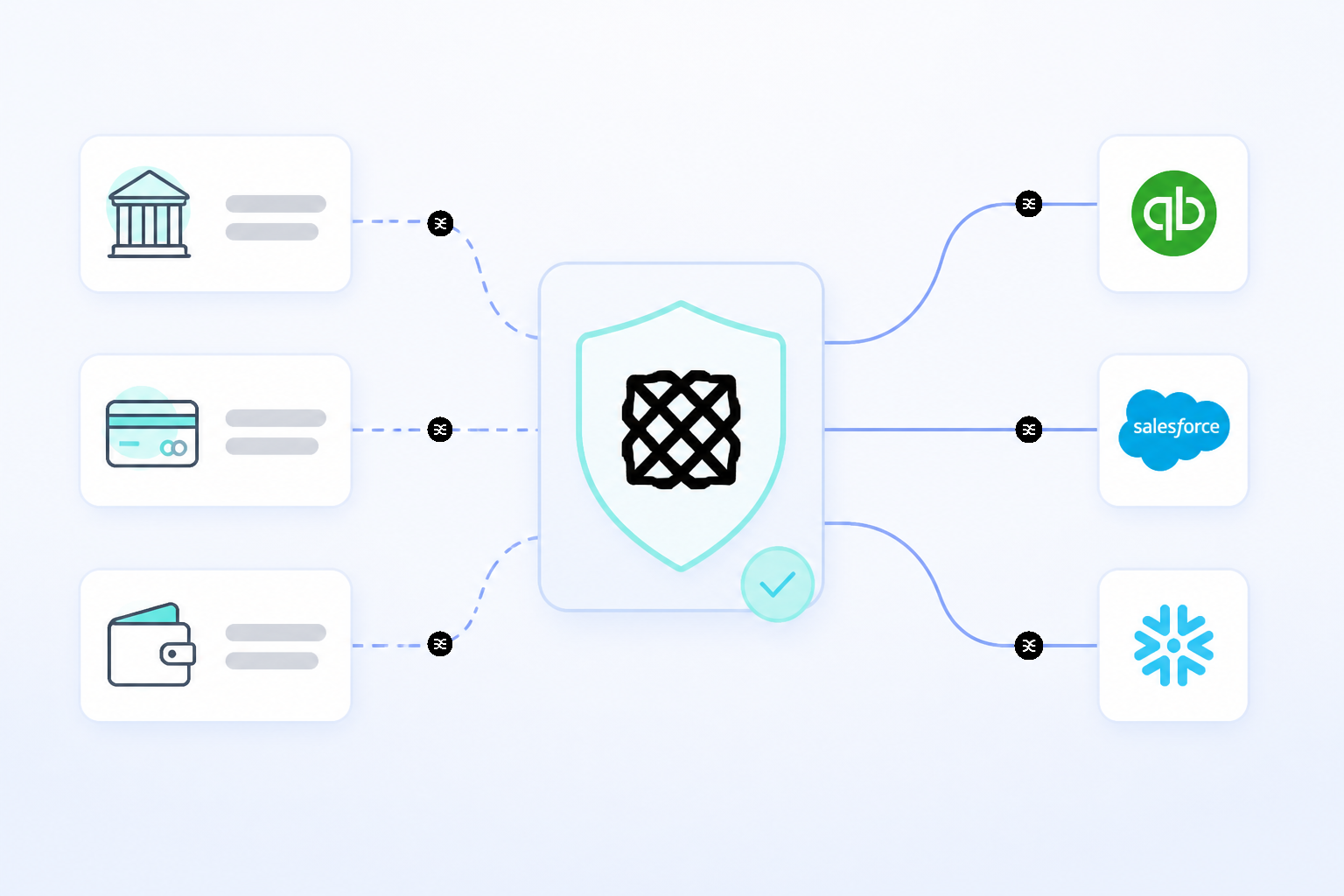 Staying current isn't just about accessing new features. It's about building a resilient and adaptable product that can evolve with the market. A future-proof Plaid API integration is built on modern standards, uses the latest tools, and has a clear understanding of its cost structure.
The table below contrasts the old way of thinking about an integration with the modern approach.
| Feature Area | Legacy Approach | Modern Approach |
|---|---|---|
| API Model | Item-based, uses separate tokens | User-centric, uses a unified user_id |
| Data Scope | Basic Transactions, Auth, Balance | Rich Investments, Liabilities, AI metadata |
| Development | Manual API calls, log parsing | Plaid CLI, SDKs, AI-powered diagnostics |
| Connectivity | Data aggregation | FDX-compliant, bi-directional connectivity |
Understanding the Real Cost of a Plaid API Integration
" The answer is more complex than a single price tag. , Transactions, Auth, Identity) and volume.
Common pricing components include:
- Per-API-call pricing: You're charged for each successful API call, with rates often ranging from fractions of a cent to over a dollar depending on the product. * Volume tiers: Costs per call usually decrease as your monthly usage increases. * Custom plans: High-volume customers can negotiate custom pricing and bundles that may include monthly minimums.
However, the real cost isn't just the monthly invoice. It's also the developer hours spent maintaining a brittle, outdated system and the opportunity cost of not being able to launch new features. Investing in a modern, well-architected Plaid API integration can lower long-term maintenance costs and provide new revenue opportunities.
Embracing Interoperability with Core Exchange
The future of finance is open and interconnected. Plaid is helping to build this future through initiatives like Core Exchange, which helps financial institutions develop APIs that comply with the Financial Data Exchange (FDX) specification.
This is a critical piece of the puzzle. It ensures that data can move securely and reliably not just between a bank and Plaid, but between a bank and any compliant third party.
For developers building on Plaid, this focus on interoperability is a long-term win. It signals a move away from fragile screen-scraping methods and toward a more stable, API-driven ecosystem.
A big part of future-proofing your Plaid API integration involves embracing these industry standards and building your application with the assumption of broad, standardized data access. This was a key part of the collaboration between US Bank and Plaid, which focused on secure, API-based connectivity to enhance transparency and control for customers, including bi-directional functionality between the lender's My Controls service and the Plaid Portal.
The Next Layer of Financial Intelligence
The evolution of the Plaid API integration mirrors the broader maturation of fintech. This means using richer data sets, like the expanded fields in Plaid's Investments API which give advisors more detail for tailoring recommendations, and using new tools like the experimental Plaid CLI to streamline development and testing.
Building on this new foundation allows for a new class of applications that go beyond simple data aggregation. Once you have a reliable, intelligent connection to a user's full financial picture, you can help them automate complex tasks. For example, a freelancer could use a tool built on these principles to automatically route a certain percentage of every incoming client payment to a tax savings account, a retirement fund, and an operating expenses fund.
Platforms designed for complex money movement thrive. For instance, tools like Sequence use this level of deep integration to provide users with a visual map of all their accounts and automate sophisticated money flows between them using simple IF/THEN rules. Building such a system from scratch would be immensely complex, but a modern Plaid API integration provides the essential, reliable infrastructure to make it possible.
The focus is on giving your money instructions.
--- Ultimately, this allows businesses to build innovative financial products and services, freeing them from the burden of intricate backend development and empowering them to concentrate on user experience and value creation.