Your View on ACH Payment Integration Is Outdated
By Ari Schlacht ·
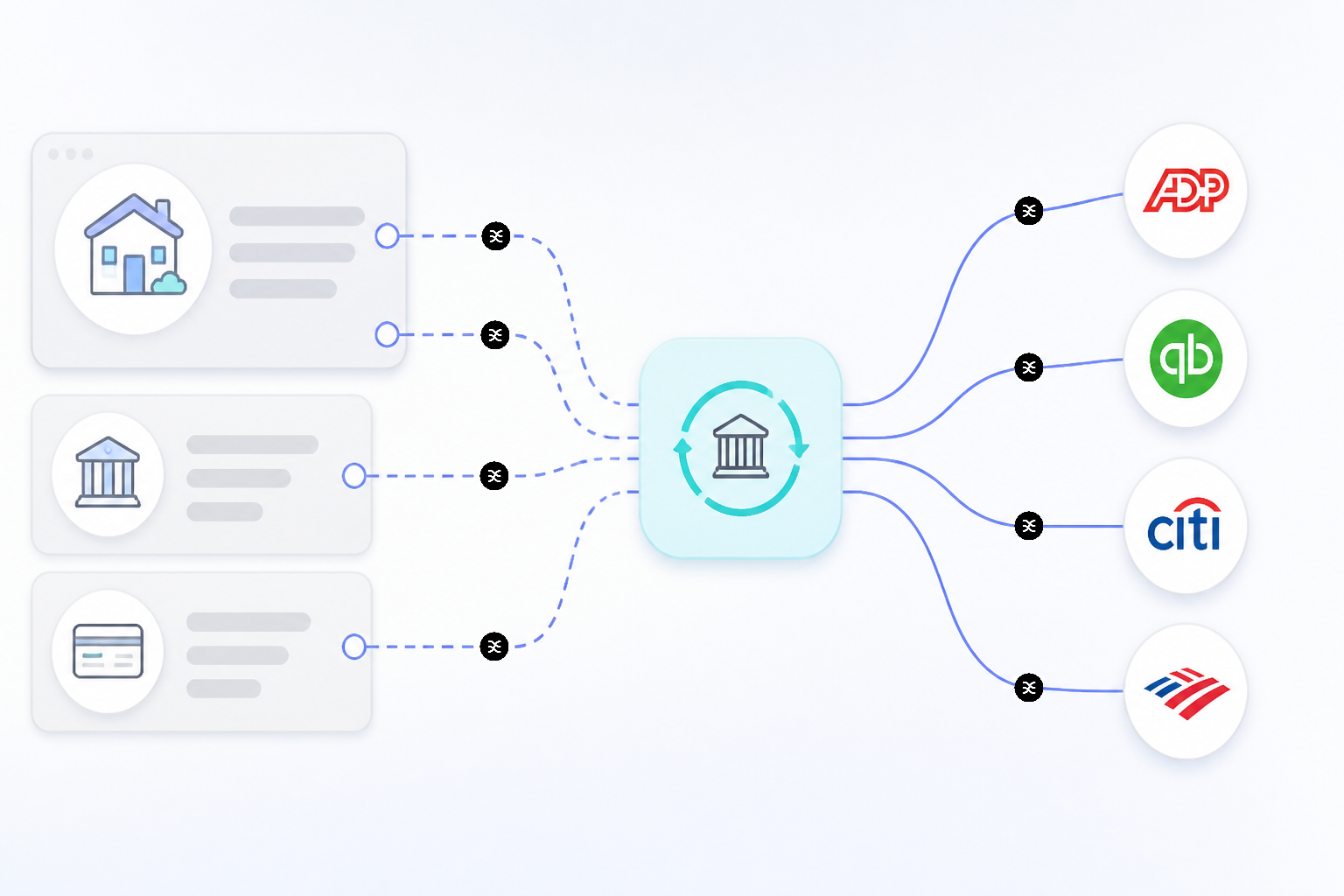
The financial system's plumbing is in the middle of a massive, quiet overhaul. S. economy, the Automated Clearing House (ACH) network, is experiencing a renaissance.
The network is growing at an incredible pace; in 2025, ACH payment volume rose 4.9% to 35.2 billion transactions. The total value of those payments reached an astronomical $93 trillion, a 7.9% increase in the same year.
Many small business owners and freelancers associate ACH with slow, outdated bank transfers—the kind used for utility bills, then forgotten. It often feels like a relic, far removed from the instant gratification of card or phone payments. The common perception is that it's a system to be tolerated, not one suitable for modern business operations.
But this view is becoming more outdated by the day. The data tells a different story: a story of modernization, speed, and immense potential. The growth isn't happening because people are content with 3-5 day settlement times.
It's happening because a better, faster, and more flexible ACH payment integration is becoming the standard, enabling a new wave of financial automation.
What's Really Fueling ACH's Explosive Growth?
The numbers are staggering. The ACH network is not just growing; it's accelerating. In the first quarter of 2026 alone, payment volume grew another 4.8% over the previous year.
This surge isn't accidental. It's the result of a deliberate push away from paper checks and toward more efficient electronic payments, especially for B2B transactions and recurring consumer bills.
Businesses are realizing the benefits of ACH payments go far beyond simply replacing a check. A modern ACH payment integration can dramatically lower transaction costs compared to credit cards, enhance security, and streamline back-office operations. It represents a move toward more predictable, automated cash flow management.
The foundation of this shift is a network that is actively being upgraded to meet the demands of a digital-first economy. This isn't your parents' ACH; it's a system being rebuilt for speed and connectivity.
The Game-Changer: Same Day ACH
A key driver of this modernization is Same Day ACH. The capability has been a critical bridge between traditional batch processing and the world of real-time payments. Instead of waiting days for funds to clear, many transactions can now settle within hours.
The adoption has been swift and significant. In 2025, Same Day ACH volume hit 1.4 billion payments, valued at $3.9 trillion. 7% growth in volume from 2024, showcasing a clear demand for faster, more reliable electronic transfers.
For a freelancer waiting on a client payment or a business paying a supplier, the difference between waiting three days and a few hours is enormous. This evolution makes ACH a far more viable option for time-sensitive transactions, moving it from a background utility to a central component of a modern payment strategy.
Is ACH Being Replaced by Real-Time Payments?
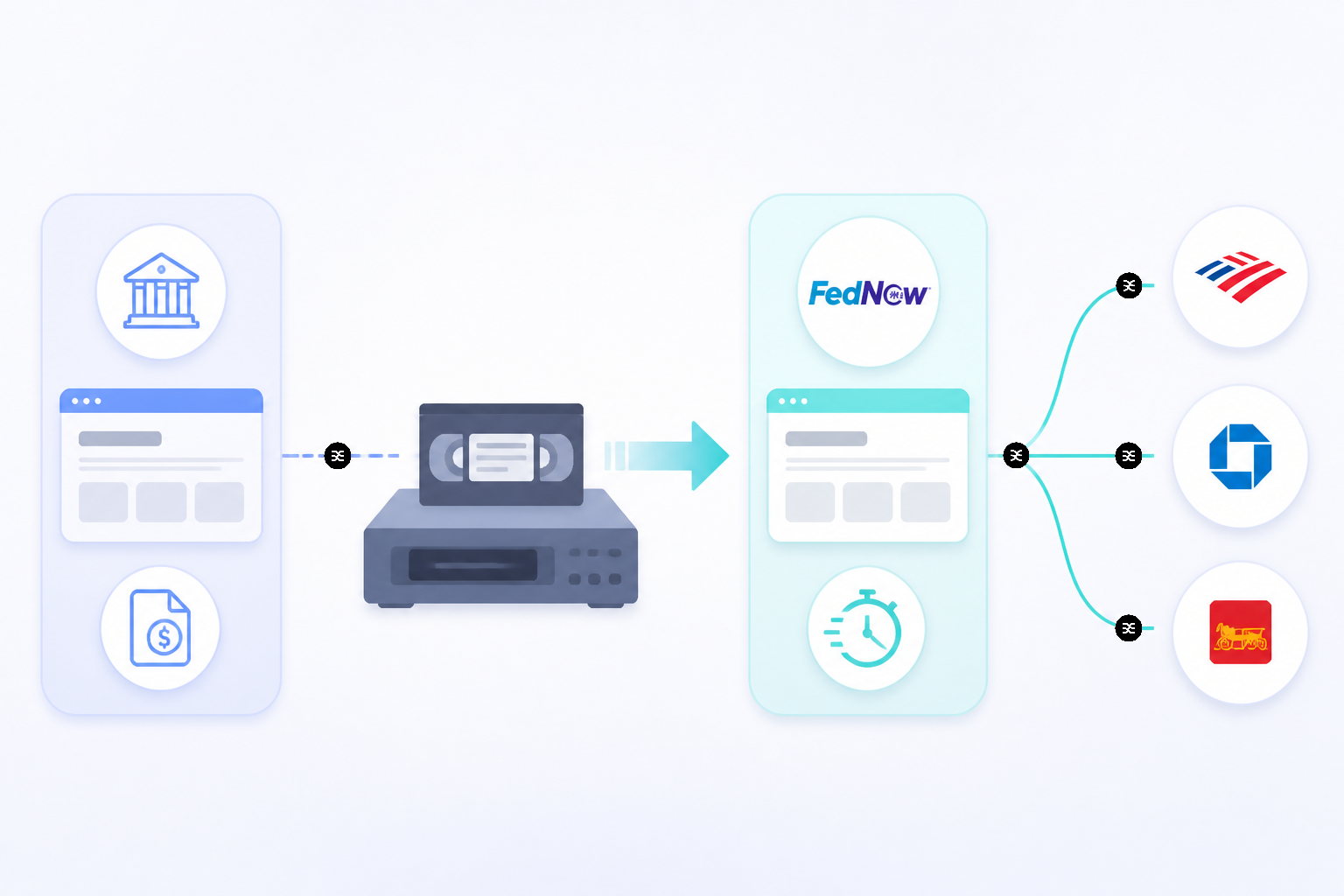 With all the buzz around newer, faster networks like FedNow, it's fair to ask if ACH's days are numbered. Is investing in a better ACH payment integration like upgrading a VCR when streaming services exist? The reality is more nuanced.
Real-time payment networks are a vital innovation, but they aren't replacing ACH. Instead, they are becoming part of a larger, interconnected system.
The future of payments isn't about one rail winning out over others. It's about interoperability—the ability for different systems to work together seamlessly. P.
Morgan report on payment trends notes, the modernization of financial infrastructure is a key theme for 2026. This means banks and financial technology companies are building systems that can intelligently route payments across multiple rails—ACH, RTP, wires, and cards—depending on the need for speed, cost, and data richness. Your business doesn't need to choose one; you need a system that can access them all.
Why Your Bank's User Experience Matters More Than Ever
To make this multi-rail future a reality, financial institutions are under pressure to upgrade their decades-old infrastructure. Legacy systems weren't built for the continuous, 24/7 processing that modern payments demand. This is where fintech companies have led the charge.
Providers like Square and Stripe have set consumer expectations with superior user experiences. They offer effortless ACH transfers through slick mobile apps and seamless API integration, showing what's possible when the focus is on the end-user, not institutional inertia. This has forced the entire industry to reconsider its approach.
A good ACH payment integration is no longer just about moving money; it's about providing a clean, simple, and automated workflow. This shift in focus, from raw processing to user-centric design, is what's truly unlocking the power of the ACH network for today's entrepreneurs.
The Future is Automated and Programmable
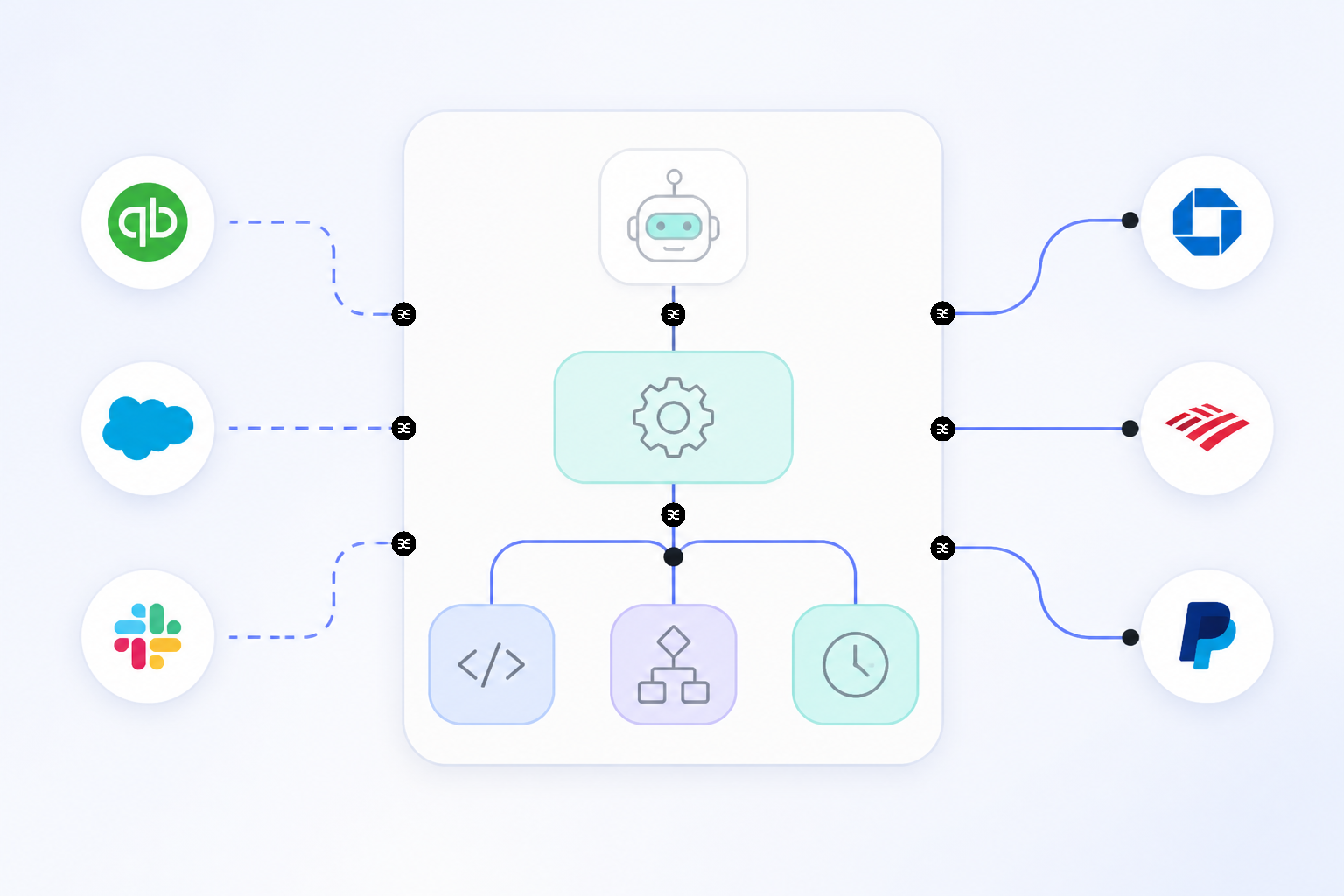 This evolution in payment infrastructure is happening for a reason: money is becoming more programmable. As AI agents and no-code automation tools become more common for managing business and personal finances, they need reliable, modern rails to execute transactions. A modernized ACH network, with its low cost and newfound speed, is perfectly positioned to serve as the backbone for this automated future.
Consider this: You can now set rules to automatically pay suppliers once an invoice is approved, sweep a percentage of every client payment into a tax savings account, or maintain a target balance in your operating account. This level of automation relies on an ACH payment integration that is both fast and flexible. The clunky, manual bank transfers of the past simply can't support this dynamic movement of funds.
Here's how the old way of thinking about ACH compares to the new reality of modern integration:
| Aspect | "Old" ACH Transfers | Modern ACH Payment Integration |
|---|---|---|
| Speed | 3-5 business days | Same-day or next-day settlement |
| User Experience | Clunky bank portals, manual forms | Smooth APIs, mobile-first design |
| Integration | Siloed, requires manual reconciliation | Connects with accounting and business software |
| Flexibility | Rigid, one-off or fixed recurring payments | Programmable, supports dynamic rules and triggers |
This ability to program money movement based on rules is the core idea behind financial routers. For example, a tool like Sequence allows users to create simple IF/THEN rules on a visual "Money Map" to automatically move funds between their accounts using these modern payment rails. This is the practical application of a robust ACH payment integration—making the financial plumbing work for you, not the other way around.
The programmability also extends to global commerce, creating new possibilities for cross-border transactions. Interoper
Your Money Belongs on Modern Rails
The perception of ACH as a slow, outdated system is holding many business owners and freelancers back. The reality is that the network is undergoing a profound transformation, driven by massive growth in volume and significant technological upgrades like Same Day ACH. It is becoming faster, more flexible, and more integrated than ever before.
" The answer lies in a modern ACH payment integration that doesn't just process transactions but enables true financial automation. By embracing this evolution, you can reduce manual work, improve cash flow visibility, and spend less time managing money and more time running your business.
The quiet revolution in financial plumbing is well underway. The question is no longer whether ACH is relevant, but how you'll use its new capabilities to your advantage. It's time to move your money—and your mindset—onto modern rails.